Big Night In: How to Grow Your Takeaway Orders



For a growing number of households, that ritual is no longer saved for Friday night. Deliveroo is seeing 15% year-on-year growth as people continue the habits they picked up during the Covid-19 pandemic. Quieter days like Monday and Tuesday are gaining share as delivery becomes a core early-week family meal solution.
For restaurants, cafés and pubs, that's a real opportunity. Takeaway lets you serve customers far beyond your four walls, fill slow shifts without adding a single table, and build loyalty with people who might never have walked through your door. In this guide, we'll share practical ways to grow your takeaway and delivery orders and make every big night in yours. We’ll cover:
-
The takeaway and delivery industry in numbers
-
Delivery apps versus direct ordering
-
How to run a takeaway service effectively
-
Potential issues for takeaway businesses
-
Marketing your takeaway business
Odds are, the very thought of takeaway is enough to make a lot of people feel hungry while reading this, so there’s clearly lots of potential for cashing in on the big night in. So let’s start looking at how you can offer irresistible takeaway in your business. Let’s go!
The takeaway and delivery industry in numbers
Ireland's appetite for takeaway keeps spreading. Deliveroo reports that the number of people ordering each month in Dublin's suburbs grew by more than 25%, outpacing growth in the city centre, while across Ireland as a whole, monthly active users grew more than 15% year-on-year. The company is now looking to sign up new restaurants and shops across the Greater Dublin Area, its surrounding towns and counties, along with Limerick and Galway.
Irish takeaway is very much a shared occasion. Research for Just Eat finds 54% of Irish takeaway orders are for two or more people, and 37% of orders are for an entire family, with the average consumer ordering a takeaway just under three times a month. As for what's hot, burgers have taken the top spot in Deliveroo's 2025 trending list, alongside burritos, BBQ and Korean-style fried chicken. Customers care about values as well as taste, with 65% of people finding it important that restaurants are transparent in their sustainability efforts.
Delivery apps versus direct ordering
Should you list on the big delivery apps or take orders through your own website? Both have real advantages, and many businesses use a mix of the two, to try and take full advantage of both options. Here’s what they both have to offer:
The pros of delivery apps
-
Instant reach. When many people decide they want to order in, they go straight to the popular delivery apps. So being listed puts your menu in front of thousands of hungry customers who are already browsing for dinner. For a new takeaway service, especially, that kind of visibility is hard to match with your own marketing.
-
Delivery handled for you. Most platforms supply their own couriers, too, so you can start delivering without hiring drivers, buying vehicles or arranging insurance. You simply cook, pack and hand the order over. It’s so much easier!
-
Built-in marketing and trust. Ratings, reviews, featured placements and promotions all come as standard. Customers already trust the app's payment system, which makes them more willing to try somewhere new.
The pros of direct ordering
-
No commission. Delivery apps typically take a hefty percentage of every order. Selling through your own website or app lets you keep more of each sale, or pass the savings on through lower prices.
-
You own the customer relationship. Direct orders give you customers' contact details and order history, so you can send offers, run a loyalty scheme and encourage repeat orders on your own terms, and not those of the third-party ordering app.
-
Full control of your brand. From menu design and pricing to delivery times and customer service, you decide how the experience looks and feels, rather than competing for attention beside rival restaurants.
How to run a takeaway service effectively
Build a menu that travels well
Not every dish survives a 20-minute journey in a box. Crispy food can turn soggy, sauces can split and delicate plating rarely arrives at the customer's door intact. Build your takeaway menu around dishes that hold their heat and texture well, such as curries, burgers, pizzas, pasta bakes and rice bowls. A shorter menu helps too, as fewer dishes means faster prep, simpler stock management and less waste.
Test your menu, too, before selling anything that could turn out to make sub-standard takeaway. Make the product, box it up, move it around, and after 20 or 30 minutes, see if it’s still that five-star dish you prepared. If a dish only really works on a plate in your dining room, keep it there!
Invest in the right packaging
Your packaging is the first thing customers see when their order arrives, so it deserves more than an afterthought. Choose containers designed for the food inside them, with vented boxes for fried food, leak-proof tubs for sauces (an absolute must!) and insulated bags for longer journeys.
Many diners are now looking for recyclable or compostable options, too. Small touches go a long way, whether that's a branded sticker, a handwritten thank-you note or a menu with a discount code for the next time they order. These touches are what can turn a one-off delivery into an experience your customers can’t wait to repeat.
Price for profit
Takeaway orders come with costs that dine-in meals don't, including packaging, platform commission and delivery fees. If you simply copy your restaurant prices, you could end up losing money on every order. Work out the true cost of each takeaway dish and price accordingly, whether that means a modest mark-up on app menus, a small packaging charge or a minimum order value for delivery. Plus, it’s always worth offering add-ons including sides, drinks and desserts to lift your average order value without much extra work.
Offer click and collect
Collection orders are often the most profitable takeaway channel, as there are no courier fees and, if customers order through your own website, no commission either. Make collecting as easy as possible with accurate pick-up times and order updates, a clearly signposted collection point, and orders ready to grab on arrival. You could encourage it further with a small discount or a free side for collection orders. It's also a great option for local customers who live just outside your delivery radius that are willing to pick-up.
Plan your delivery logistics
If you decide to deliver, you'll need to choose between using platform couriers and running your own drivers. Platform couriers are flexible and need no upfront investment, while in-house drivers give you control over timing, service, and presentation, but come with wages, vehicles, and insurance to manage. Whichever you choose, set a realistic delivery radius. Stretching too far means cold food, unhappy customers, and slower delivery, so focus on the areas where you can reliably deliver food at its best.
Keep the kitchen running smoothly at peak times
Friday and Saturday evenings can bring a rush of takeaway orders on top of a full dining room, and without a plan, both sets of customers suffer. Having a routine you can stick to for every sales channel ensures structure that maximises your efficiency throughout the night.
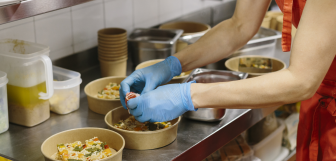
One way of maintaining order is to set up a dedicated packing station so finished takeaway or delivery dishes don't clog the pass, and give one team member responsibility for checking and sealing every bag. Use your order data to ensure your rota keeps you covered at your busiest times, and don't be afraid to pause online orders briefly if the kitchen is overwhelmed. A short pause beats a wave of late orders and dissatisfied customers.
Get allergens and food safety right
When customers order remotely, they can't ask a server about ingredients, so clear allergen information is essential for protecting both your business and your customers. Make sure every dish lists its allergens on your website and delivery app menus, and label orders carefully, using a labelling system, so the right meal reaches the right person.
It’s essential to train staff to handle allergy requests consistently when fulfilling orders for new takeaway and delivery system, and to keep packaging sealed for the journey so safe temperatures are maintained. Food safety rules and allergen laws vary from country to country, so check the requirements that apply in your area before launching your service.
Make midweek work for you and your customers
Weekends will always be busy, but quieter days offer real room for growth. Midweek meal deals, family bundles and early-week promotions give customers a reason to order on a Monday or Tuesday, when they might otherwise cook. Bundles also make decisions easier for groups and families, which tends to increase order value. Try running a different offer each weeknight to see which ones customers respond to best, then build the winners into your regular menu.
Track the numbers that matter
To grow your takeaway orders, you need to know what's working. Keep an eye on a few key figures: average order value, repeat customers, delivery times, best-selling dishes and how much each channel costs you after fees. Most delivery apps and online ordering systems offer dashboards that make this easy. Review the numbers regularly and use them to guide your decisions, from which dishes, channels, and offers to promote to which nights need extra staff to help you keep up.
Potential issues for takeaway businesses
Maybe you’re selling lots of takeaway orders but haven’t seen an increase in profits, or maybe you’re just struggling to compete. There are lots of potential issues associated with takeaway trading, so it’s important to hone in on the problems to start combating the real issue.
-
Squeezed margins. Between commission, packaging and delivery costs, takeaway orders can earn far less than the same meal served in your dining room. Without careful pricing to protect your margins, a busy night of orders can look great on paper but deliver very little profit.
-
Food quality in transit. Even the best dish can arrive lukewarm, soggy or squashed. Customers rarely blame the journey; they hold you responsible, so poor travel can damage your reputation even when the cooking itself was spot on.
-
Late or missing deliveries. When you rely on third-party couriers (and clear roads), delivery times are partly out of your hands. Yet delays, mix-ups and missing orders still tend to land on you in the form of refunds, complaints and lost customers.
-
Negative reviews. On delivery apps, star ratings can make or break a business, as they often decide how prominently you appear in search results. A handful of poor reviews can quickly push you down the list and away from new customers.
-
Order errors. Missing sides, wrong drinks, and forgotten sauces are frustrating for customers and costly for you. Mistakes multiply during busy periods, and the customer isn’t there for you to confirm orders. Allergen mix-ups in particular can have serious consequences for customers' health and your business.
-
Pressure on the kitchen. A sudden rush of online orders can stretch staff and slow service for dine-in guests. Without the right systems in place, takeaway can end up harming the experience you've worked hard to build in-house.
-
Over-reliance on one platform. If most of your orders come through a single app, changes to its fees, rules or search rankings can hit your income overnight. Building up some direct ordering and diversifying your sales channels helps protect you against sudden shifts.
-
Fierce competition. Customers can scroll past dozens of options in seconds, so standing out is tough. Without a clear identity, competitive prices or a signature dish people can’t get elsewhere, it's easy to get lost among rival restaurants.
Marketing your takeaway business
If you want to grow your takeaway orders, you need to make sure everybody knows about you. How do you do that? Marketing, of course! If you’re new to marketing or short on ideas, here are the key channels and strategies for you to utilise:
-
Social media. Mouth-watering photos and short videos of your dishes work brilliantly on Instagram, TikTok and Facebook. Post regularly, especially in the late afternoon when people start thinking about dinner!
-
Google Business Profile. Keep your listing up to date with opening hours, menu links and a direct ordering button. It's often the first thing hungry locals see when searching nearby.
-
Encourage reviews. Ask happy customers to leave a rating, with a note in the bag or a follow-up message. Respond to every review, good or bad, to show you care.
-
Email, SMS and loyalty. Use contact details from direct orders to share specials and exclusive discounts, and reward regulars with points or a free dish after a set number of orders.
-
In-app promotions. Delivery apps offer paid placements, free-delivery deals and discounts. Used selectively, they can attract new customers, but track the results closely so promotions don't eat into your margins.
-
Promote it in person. Your dine-in guests are your easiest audience. Add takeaway menus to tables, display QR codes at the counter and remind customers they can enjoy your food at home.
Takeaway and delivery sales: channels you can no longer ignore
The big night in is here to stay, and takeaway gives your business a powerful way to reach more customers and fill quieter shifts. Get it right by choosing the best mix of delivery apps and direct ordering, building a menu that travels well, pricing for profit and staying on top of common pitfalls. Then market yourself well, and watch those orders roll in.
Behind every smooth takeaway service is the right technology. A POS system like Epos Now's brings all your orders together in one place, whether they come from your counter, your website or delivery apps. It can send orders straight to the kitchen, keep track of stock levels and give you the sales reports you need to see which channels are really paying off.
Frequently asked questions
- Is 2 takeaways a week a lot?
-
It depends on your lifestyle and what you’re ordering. Two takeaways a week is more than many people have, but with delivery now a midweek meal solution rather than just a Friday treat, it's increasingly common. Choosing balanced dishes and sensible portions makes regular ordering easier to fit into a healthy routine.
- Is takeaway profitable?
-
It can be very profitable, but only with careful pricing and some good marketing strategies to keep the sales flooding in. Packaging, commission and delivery fees all eat into your margins, so make sure you work out the true cost of each dish before setting prices. Click and collect and direct ordering (instead of selling through delivery apps) help you keep more of every sale, while add-ons like sides and drinks lift order value.
- How much does it cost to start up a takeaway?
-
Costs vary widely, depending on whether you're adding takeaway to an existing restaurant, café or pub, or opening dedicated premises. Adding it to an existing business is far cheaper, with key costs including packaging, online ordering and delivery app fees and any drivers or vehicles. A new takeaway also needs premises, equipment, licences, and more budget for marketing.
- How often should you order takeaway?
-
There's no set rule. Takeaway is a great treat and a handy solution on busy evenings, and plenty of households now order midweek as well as at weekends. If you're ordering often, mixing in lighter dishes and keeping an eye on your spending helps keep takeaway a pleasure rather than a habit.
- What is the 2 2 2 rule for food?
-
The 2-2-2 rule is a simple guide to handling leftovers safely: get cooked food into the fridge within two hours, eat or freeze leftovers within two days, and they'll keep for up to two months in the freezer. Takeaway businesses could share it on a label or menu insert to help customers enjoy leftovers safely.