Halloween Retail: How the Season Became Big Business



Trying to win the sales of the many different kinds of Halloween shoppers in retail can be a tough battle, but understanding the holiday a little better, from its origins to its modern-day celebrations, can help you position your business correctly to take advantage of a bigger portion of the Halloween retail market. So that’s what we’re looking at today: Halloween and how it happened, plus the modern Halloween retail landscape. We’ll cover:
-
The origins of Halloween
-
The Halloween retail market statistics
-
A retailer’s history of Halloween
-
The types of Halloween shopper
-
Creating your Halloween retail strategy
-
Halloween products your business could offer this year
Read on and learn not only about the history of how Halloween became a booming business, but also how to take advantage of the opportunities on offer this October.
The origins of Halloween
Halloween's story starts around 2,000 years ago with Samhain, a Celtic festival celebrated across Ireland, Scotland and other parts of Britain, marking the end of the harvest and the beginning of the dark winter. Communities lit bonfires, wore disguises to ward off wandering spirits, and marked the turning of the year with feasting and fortune-telling.
When Christianity spread through these regions, the Church placed All Saints' Day on November 1st, turning the night before into "All Hallows' Eve", with a hallow being an Old English word for a holy person, so Hallween is a contraction of Hallows Evening or Saints Evening … the night before All Saints’ Day! Many of the older customs survived under the new name, and variations took root wherever Celtic communities settled or influenced local tradition, from British and Irish villages to parts of continental Europe.
It was 19th-century Irish and Scottish emigration that carried Halloween to North America, where, over the following century, it was gradually reshaped into something new: trick-or-treating, mass-produced costumes, and pumpkin carving all became distinctly American additions. From the mid-20th century onward, this North American version was exported back around the world through film, TV and, of course, retail, turning a once-regional folk festival into the global commercial holiday we recognise today, even in places with no historical Samhain connection of their own, like Australia or Mexico, where it now sits alongside older local traditions such as Día de los Muertos.
The Halloween retail market statistics
Canadian households spent an average of $67.65 on Halloween costumes, candy and décor in 2024, with 73% of purchases made in physical stores rather than online, according to a Leger study. With over 80% of Canadians planning to maintain or increase spending year on year, Halloween now trails only Christmas as the country's most commercially significant seasonal event.
A retailer’s history of Halloween
Commercially, Halloween grew from the ground up. In folk traditions, communities grew their own turnips (the pumpkin predecessor) and carved them by themselves. Now, few people grow crops, so pumpkins are farmed and sold in-store for the carving to be done at home or in groups. Though this tradition has still been commodified as carving kits, tools, and pre-cut designs have all become Halloween retail staples in their own right.
Costumes followed a similar path to the shop shelf. Early 20th-century outfits were mostly sewn by hand, and homemade Halloween costumes have remained popular into the 21st century, giving sellers of craft supplies something to celebrate every Autumn. But as trick-or-treating spread through the 1930s and 40s, manufacturers spotted an opportunity to produce and sell a seemingly infinite variety of fun and spooky outfits, helped along by the rise of cinema and television, which gave shoppers new characters to dress up as every year.
Candy's link to Halloween solidified around the same period. Once wartime sugar rationing lifted, confectioners began marketing individually wrapped sweets specifically for handing out to trick-or-treaters, cementing candy as a seasonal essential rather than an afterthought.
Similarly, from the 1970s onward, decorations, party goods and seasonal pop-up stores emerged as categories of their own, and in the decades since, Halloween has grown into a genuine retail season stretching well beyond just one night.
The types of Halloween shopper
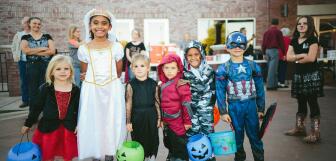
Succeeding in the Halloween retail market means finding ways to appeal to the many kinds of Halloween shopper. But from parties to pagans to excited families, there’s a broad market that doesn’t always overlap. Appealing to these shoppers can mean targeting parts of the market more directly, or finding creative ways to excite them all:
-
The parent will be out buying costumes, party bags and candy for their children. These customers are often guided by whatever's trending in film, TV or gaming that year, but will also splurge on fun traditional costumes and merchandise like pirates, ghosts, and ghouls. This shopper values convenience, speed and price, and is often making decisions right up to the last minute based on a child's changing preferences.
-
The decorator treats Halloween, like every holiday, as a home and garden project, often starting weeks in advance to build an indoor or outdoor display. This shopper values variety, quality and fresh designs each year, and increasingly spends more on features and supplies than on costumes or candy.
-
The costume enthusiast will be a mix of teens and adults dressing up for parties, events or social media, usually looking for something distinctive rather than an off-the-shelf outfit. This shopper is willing to pay more for originality and quality, and takes strong cues from film, pop culture and platforms like TikTok and Pinterest.
-
The host will be out buying tableware, snacks, drinks and decorations for their big gathering, often shopping across several categories in a single trip rather than looking for one specific item. This shopper values convenience and coordinated ranges, and appreciates retailers who make party planning simple.
-
The pet parent a smaller but fast-growing segment, pet-lovers love buying costumes and accessories to include pets in the celebrations. This shopper values novelty, comfort for the animal, and shareability, often driven as much by social media appeal as practicality.
-
The traditionalists are shoppers with a closer tie to the holiday's older roots, or those celebrating other cultural observances such as Día de los Muertos. This shopper values authenticity and symbolism, often preferring handmade or meaningful items over mass-market novelty pieces.
-
The last-minute buyer is stocking up on candy or grabbing a quick costume in the final days before Halloween. This shopper values availability, convenience and value for money far more than originality or brand.
Creating your Halloween retail strategy
Start with market, competitor, and customer research
Before committing budget or shelf space to Halloween, look at what's already happening around you, and what happened during recent Halloween seasons, to help you spot fresh opportunities. Review market data and trend reports to see which categories are growing: decorations, for instance, have overtaken costumes and candy in recent years. Then, look at what competitors, especially those with a similar customer base, are stocking and promoting, and where gaps might exist.
Once you’ve done this, it’s important to take a close look at your own customers and your own business: what have they bought from you in past Octobers, and which of the shopper types outlined above best matches your usual audience? What Halloween theme, style, and celebration best suits your business? A homeware retailer is naturally better placed to serve decorators than costume enthusiasts, while a toy shop suits parents and last-minute buyers. This groundwork should inform the strategy that follows to save you from guessing at what your Halloween shoppers will want.
Decide what works in-store and online
Halloween doesn't need to be treated as an all-or-nothing event. Some retailers build an entire seasonal identity around it, transforming shopfronts, dedicating significant floor or homepage space, and running it almost as a mini sub-brand for six to eight weeks. Others take a lighter touch, a curated edit of products on one or two shelves, perhaps a few themed displays, seasonal add-ons to otherwise unchanged ranges.
Neither the all-out nor restrained approach is inherently right; the goal here is to match the scale and style of your Halloween activity to your existing brand, customer expectations and appetite for risk. A special interest or minimalist retailer might undermine its identity by going all-in on the Halloween decor with jack o’ lanterns and grim reapers. On the other hand, family-focused or novelty-driven business might disappoint regular customers by downplaying a holiday many of their customers are very excited about.
Once you've settled on a scale, decide on your investment: how much stock to commit, how much space or budget to allocate, and how early to start, versus what you can bring in cautiously and top up if it sells well. Getting this balance right protects you from being left with unsold stock while still capturing a fair share of the season's demand.
Plan your Halloween marketing
Once you know who you're targeting and where you'll sell to them, build a marketing plan around their habits. Decorators and costume enthusiasts often start browsing weeks ahead, so early social media content, sneak peaks, and pre-order options can make you the first port of call before your competitors are ready to get in on the action.
Last-minute buyers respond better to short, urgent campaigns closer to the date itself, so don’t relent on your marketing if you’re hoping to sell right up to the 31st. Lean into the channels your target shopper will actually use, too. Social platforms like TikTok and Pinterest are common choices for costume inspiration, email or in-store signage for your regular customers, but don’t get too caught up in the season. Through all of this, try to keep messaging consistent with your personal tone, rather than treating Halloween as a separate, disconnected campaign.
Halloween products your business could offer this year
Once you have an idea about how much you’re going to spend on your Halloween campaign, and the kind of customers you want to target, it’s time to get specific. What exactly are you going to put on your shelves? And there’s plenty of avenues to explore. Here are some ideas to get you started:
-
Costumes and accessories. Stock any combination of children's, adult and couples' costumes, plus wigs, masks, makeup and props for a full look.
-
Home and outdoor decorations. A fast-growing category, from window displays and string lights to inflatables and animatronics.
-
Pumpkin carving kits and tools. Carving sets, stencils, LED lights as well as pre-cut pumpkins for those who'd rather skip the mess and get straight to the result.
-
Confectionery and treat-sized sweets. Easy and scalable products for any business, offer individually wrapped candy for trick-or-treaters, alongside bulk value packs and premium or novelty options.
-
Party supplies and tableware. Themed bowls and plates, cups, napkins and table settings for hosts planning a gathering.
-
Seasonal food and drink. Pumpkin-spiced products, soups, themed baking kits, and Halloween-branded snacks or drinks will all sell well throughout the season.
-
Pet costumes and accessories. A smaller but growing niche, including costumes, treats, and, of course, toys.
-
Craft and DIY supplies. Face paint, fabric, craft kits and materials for those making their own costumes or decorations.
-
Books, films and games. Seasonal horror, mystery or family-friendly titles across print, streaming and gaming categories will all sell this October.
-
Home fragrance and ambience. Halloween is a holiday for every sense, which makes spiced candles, scented diffusers and mood lighting to build atmosphere extra appealing.
-
Greetings cards and gifting. A smaller but steady category worthwhile for retailers with an existing card or gift range.
-
Día de los Muertos items. Sugar skulls, marigolds, and altar pieces for retailers serving communities where this tradition runs alongside Halloween.
-
Costume storage and reusable decor. An emerging sustainability-driven category, aimed at shoppers wanting to invest once and reuse year after year.
Halloween: a harvest festival that provides each year
Halloween has grown from an ancient Celtic harvest festival into a genuinely global retail event, generating billions in spending across the world. Its enduring appeal lies in its versatility: parents, decorators, costume enthusiasts, hosts and traditionalists all shop for very different reasons, which means there's no single winning strategy.
The retailers who do best at Halloween are those who understand their own customer base, choose a strategy that fits their brand, and back it with the right products and timely marketing. Whether you go all-in or take a lighter touch, Halloween offers a genuine opportunity to boost seasonal sales and build lasting customer excitement.
Looking for more ways to help your business this October? Take a look at Epos Now's retail POS system or read some more of our handy business guides.
Frequently asked questions
- What are some creative Halloween ideas for businesses?
-
Try themed window displays, in-store photo spots for social sharing, costume contests, pumpkin carving workshops, or limited-edition products tied to the season. Early "sneak peek" content and pre-orders can build anticipation, while bundling complementary products (decorations with lighting, costumes with accessories) increases basket size without extra stock complexity.
- What sells best at Halloween?
-
Candy remains the single most-purchased item, but decorations have overtaken both costumes and candy in total spend in several major markets, reflecting a shift toward home and garden displays. Costumes remain a huge category too, alongside pumpkins, party supplies, and a fast-growing pet costume niche.
- What are the Halloween trends for 2026?
-
Expect gothic glam and Y2K-inspired looks, pop culture costumes drawn from major film and TV releases, and a "pastel spooky" aesthetic alongside traditional scares. Decor trends include immersive, photo-ready displays, animatronics, black cat themes, and witch's-cottage styling, with social media continuing to shape both costume and decoration choices.
- What are the trendy Halloween colours for 2026?
-
Alongside classic black and orange, look out for moody jewel tones like plum, blood orange and deep red for gothic-inspired looks, and softer pastel palettes, pink, sage green and white, for the "pastel spooky" trend. Navy blue paired with orange is also emerging as a fresh, non-traditional combination.