
How Much Do Car Wash Owners Make?
If you’ve ever thought about starting a car wash and wondered if it would be worthwhile, you’ve come to the right place. We let you know how much car wash owners can expect to earn, industry and market trends, and factors that affect income. In this blog, we'll cover:
- Income by car wash type
- Car wash profit margin statistics
- Factors that impact profit
- Types of car wash
- Profit versus income
Income by Car Wash Type
Annual car wash income is difficult to estimate because it depends on a number of factors including the type of car wash you own, your location, number of competitors, how much you charge per vehicle, and your recurring expenses.
However, using these factors, and some general data, we can offer a predictive range for both car wash revenue and car wash owner income to give you a good idea of what to expect:
As these figures from Sharpsheet demonstrate, the type of car wash you own has a significant impact on revenue. But many car wash owners are limited due to the startup costs associated with each type. Meanwhile, when calculating the car wash owner salary of a tunnel or full service car wash depends on how much of the business's revenue is profit, as owners will likely take their salary from the profits of the business.
Car wash profit margin statistics
For car wash owners, knowing your business's profit margins is important on a personal as well as a business level, because they impact salary. As with revenue, profit margins in the car wash industry vary depending on the type of operation, with lower-cost models generally achieving higher returns. We've used figures from Superoperator and KMF.
Self-service car washes tend to deliver the strongest margins, typically ranging from 40–50%, due to minimal staffing requirements and lower ongoing expenses, but that's after a hefty initial investment.
In-bay automatic car washes also see high profit margins of between 25–35%, balancing moderate equipment and maintenance costs with relatively efficient operation.
Full-service car washes, though they are capable of generating higher revenue, often operate with slimmer margins of around 20–30% because of labour costs and more amenities offered to customers while they wait.
Across the entire sector, the average operating profit margin typically falls between 14–26%, providing a useful benchmark for comparing your car wash with other businesses.
If you're thinking about investing your money in a car wash, you're probably thinking about what return on investment (ROI) you can expect. Well, car washes commonly achieve annual ROI in the range of 20–35%, with most businesses reaching break-even within 2–4 years, depending on location, setup costs, and how well you run the business.
Factors That Impact Profit
No matter which type of business you choose to own, you’ll run into costs that affect your profits. Some are unique to the car wash industry, while others affect all business types. We break down a few of the most common below.
Location
As with nearly any business type, the location may be one of the most important factors in drawing and retaining customers. Car washes are one of the few businesses that must have a physical location, and where customers must appear in person.
If your location means your car wash isn’t visible from the road, you could be losing out on large chunks of revenue. In fact, in a recent survey conducted by the International Car Wash Association, 75% of customers learned about the car wash they use most frequently because they saw it when they drove by it [2].
If you’ve purchased a pre-existing car wash with a less-than-ideal location, consider adding signage that’s visible from the roadway to catch a potential customer’s eye.
Membership and subscription models
Membership and subscription models are key drivers of recurring revenue across may industries, and car washes have been making use of them for years. Often called unlimited wash plans, car wash subscriptions allow customers to pay a fixed monthly fee in exchange for unlimited or discounted washes, with the car wash taking unlimited billing and the driver able to keep a clean car throughout the month.
For owners, this creates predictable, recurring income and increases the lifetime value of a customer, as subscribers will keep coming back and become more likely to remain loyal to the business. As a result, a successful car wash subscription model can generate as much as 45% of the total revenue for the business.
What does this look like? Well, say 200 members join the subscription option. If they're paying $30 per month that would generate a whopping $6,000 in reliable monthly revenue, regardless of weather or seasonal dips.
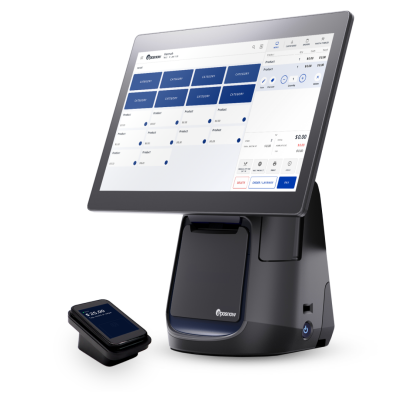
The Fully-Loaded Car Wash POS
Need to manage subscriptions? Integrate with your favourite business apps? Keep your customers' vehicles on the road and looking sharp with the point of sale that does it all.
- Offer customized pricing plans and menu options
- Manage all inventory in real-time, including liquid cleaning supplies
- Offer a loyalty program to reward repeat washes
- Integrate with third-party apps to streamline operations
- Access your cloud-based system from any device, anywhere
Mother Nature
Yes, it’s true, Mother Nature can also affect your profits by driving customers away. Often, this is related to your location. For example, car washes located in climates with varying seasons may have seasonal downtimes, which will mean less revenue during those slow times.
There may also be times when storms or acts of nature will keep customers away, including during hurricane season, or in blizzards, floods, wildfires, or earthquakes.
When choosing where to open a car wash, keep these factors in mind. How much do car wash owners make? Less in the rain; more in the sun. If possible, you’ll want to steer clear of areas that are prone to natural disasters and have a plan in place to handle your area’s slow seasons, such as the rainy season in warmer climates.
Recurring Expenses
There are many weekly, monthly, or yearly recurring expenses you’ll need to factor into your budget, and each of these can erode your profits in different ways. Again, the type of car wash you decide to own will play a role in each of these expense categories. We examine a few of the more typical expenses car wash owners face regularly.
- Employee payroll, taxes, benefits (full-service/automatic car washes only)
- Business taxes
- Supplies (cleaning agents, polishing/waxing agents, brushes, cloths, vacuum hoses, etc.)
- Lease or mortgage (for pad site/building)
- Business loan repayments
- Utilities (water, electricity, gas)
- Equipment repairs/maintenance
- Business insurance
- Signage
- Franchise fees (if applicable)
- Food/beverages for customers (full-service only)
You may also have annual license renewal or permit fees, depending on where your carwash is located. Each of these recurring expenses will come out of your revenue, meaning less profit and less income for you.
Business profit and personal income are often mistaken as the same thing by small business owners, but this isn’t the case.
Profit vs. Income
The question of profit versus income is often a confusing one. Just because your business made a certain amount for the month or year doesn’t mean that’s all your income.
First, you’ll need to pay all of your expenses for the month. Then, anything left over after expenses (including whatever taxes you may owe) can be considered your income (or net profit) for the month. If your monthly expenses vary, then your monthly income will also vary.
Don’t forget to budget for those annual expenses that may only be paid once per year but will also reduce what you can call your income, and of course, any one-time or unexpected expenses, such as repairing a vacuum, or having to replace the building’s roof.
One expense that often gets overlooked is the car wash’s point of sale system.
Types of Car Wash
Of course, the type of car wash you own affects how much profit you take home. There are self-serve car washes, automatic car washes, and full-service car washes.
Self-Service
This type of car wash typically requires the least from you financially, since customers are washing their cars themselves using coin- or card-operated wands for rinsing and soaping. Some self-service car washes also allow customers to add a wax coating or polish to the car for an extra fee.
There are usually no dryers, and it’s up to you whether or not you make vacuums available to customers.
Self-serve car washes usually cost the consumer less to use than the other two types, while bringing in the least revenue, on average.
Automatic Car Washes
There are two main types of automated car washes: in-bay and tunnel (or conveyor).
With an in-bay car wash, the car pulls into a bay and remains stationary while it’s being washed. Tunnel car washes pull the car through a tunnel along a conveyor belt or track while it’s being washed.
There are also a variety of ways to automatically wash the car:
- Using brushes
- Not using brushes (brushless, touchless, or no touch)
- Using soft materials and lightly brushing the car (soft-touch)
When the car pulls out of the bay or tunnel, there may or may not be an automated dryer or blower to dry off the car.
Most automatic car washes include vacuums for customers, which may be pay-per-use or free, depending on what you choose to do.
Automatic car washes typically cost the consumer more than a self-serve car wash, but less than a full-service car wash. You typically earn more revenue from an automatic car wash than a self-serve car wash.
Full-Service Car Washes
A full-service car wash is usually more hands-on than an automatic car wash. The car may be washed by hand, or dried/waxed by hand, or both. Additional services, such as shampooing or vacuuming the interior may be done by employees, as well.
In these types of car washes, customers usually go to a waiting area that may have other amenities, such as coffee, light snacks, entertainment options, and seating while their car is being serviced.
Full-services car washes usually cost more for the consumer than the other types of car washes because you’re providing a higher level of service. You may or may not earn higher revenue because you’ve got to pay additional expenses, like maintaining a customer waiting area and hiring skilled employees.
A Quality POS System
If you're still wondering how profitable is a car wash? Take a look at the ones with a powerful POS system like Epos Now. They'll be making more. While most of the expenses listed above may seem obvious, many business owners forget about their point of sale system until the business is ready to open. Don’t let a last-minute panic cause you to purchase a lacklustre system.
Epos Now offers several secure and powerful point of sale options for business owners and is compatible with popular credit cards (including Visa, MasterCard, and American Express). Not only that, but US News and World Report recently ranked epos now as one of the best POS providers in the United States.
You can rest easy knowing your payment system is taken care of before you welcome customers to your car wash.
Frequently asked questions
- Is a car wash a good investment?
-
Yes! A car wash can be a strong investment, but only if it's well located and well managed. With annual ROI usually ranging from 20–35%, many operators see excellent long-term returns. Success will depend on local competition, the number of drivers in your area, and what kind of weather your area experiences, meaning the success of the business is not entirely in your hands.
- How much does a car wash make per car?
-
Revenue per car varies widely by type of wash, and the number of visits the car makes. A self-service wash may generate around $3–$8 per vehicle, in-bay automatics typically earn $6–$12, while full-service or premium tunnel washes can bring in $15–$25 or more depending on add-ons and service level. But these figures start to multiply if you become the go-to car wash for that vehicle, especially if the driver takes out a subscription at your business!
- What is the profit margin on a car wash?
-
Profit margins depend on the type of car wash you operate. Self-service sites can reach 50%, in-bay automatics average 25–35%, and full-service washes typically achieve 20–30%. For a broader benchmark, see the profit margin section above, where industry averages are outlined.
- What is the most profitable type of car wash?
-
Tunnel or conveyor car washes are generally the most profitable at scale, but require higher upfront investment. Their ability to process large volumes of vehicles quickly, combined with upsells and memberships, can help a business generate substantial revenue and strong overall returns, which grow further still in high-traffic locations.
- How long does it take a car wash to break even?
-
Most car washes reach break-even within 2–4 years, depending on how heavy the initial investment is, as well as operating costs and customer volume. High-traffic locations and strong membership adoption can shorten this timeline, while higher startup costs or slower trade may extend it slightly.
- What type of car wash is the most profitable?
-
At scale, tunnel/conveyor car washes tend to be the most profitable due to high throughput and strong upselling opportunities. However, self-service washes can deliver higher percentage margins thanks to low overheads, making profitability dependent on whether you prioritise margin or building your total revenue.