Sweet Success: Most Profitable Bakery Items



With so many goodies on your menu, it’s tough to know which ones will really bring in the dough. But with a smart approach, and the right tools to track what’s actually selling, you can whip up a menu that keeps customers coming back for more and your profits looking sweet. An EPOS Now Bakery POS System helps you do exactly that by giving you clear insights into sales, costs, and profitability in real time.
In this guide, we’ll break down the most profitable bakery items so you can bake smarter, not harder.
-
Why some baked goods are profit gold, and others, not so much
-
Which bakery items really rake in the cash
-
How to price your custom creations
Understanding the bakery industry
In 2023, the US bakery market was valued at a sweet $78.96 billion, and it’s set to rise to $86.93 billion by 2029 — and the opportunity for independent bakeries has never been stronger.
Today’s bakery industry is being shaped by changing consumer habits. Customers are looking for convenience, premium products, and specialty options like gluten-free, vegan, and high-protein baked goods. At the same time, coffee sales, grab-and-go products, and online ordering have created new revenue opportunities for bakery owners.
But it’s not all cupcakes and rainbows. It’s important to acknowledge that the industry is not without its challenges. Labor shortages and increasing costs resulting from supply chain disruptions have prompted bakers to adopt innovative strategies. Many businesses are raising wages and enhancing employee benefits to retain staff and maintain productivity.
To successfully navigate these fluctuations, it is really important to focus on the most profitable items in your bakery. Our next section will highlight these key offerings.
Most Profitable Bakery Items
Now that you have an understanding of the bakery industry and its impressive scale, let’s get into the delicious offerings that can significantly enhance your profits. Whether you’re catering to everyday customers or special events, certain popular bakery items consistently deliver better profit margins than others. Here are the bakery products that can boost your bakery sales faster than you can say “fresh out of the oven”!
Custom cakes
Think weddings, birthdays, and anniversaries. Customers are often ready to spend a little extra on a cake that’s tailored just for them. Unlike the usual vanilla sponge or chocolate cake you'd find everywhere, these specialty cakes are all about creativity.
You can experiment with unique flavors, intricate designs, edible art, and personalized touches, transforming each cake into a true work of art. This level of customization comes with a hefty price tag, which is great news for your bottom line! According to Butter Studio, custom cakes can range anywhere from $50 to over $500, depending on their size and complexity.
Artisan bread
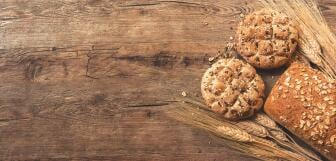
Artisan breads, such as sourdough, ciabatta, and multigrain, are another highly profitable item for bakeries. There’s something irresistible about the smell of freshly baked bread, and it appeals to health-conscious consumers as well as bread aficionados. Because of its perceived value, a bakery owner can often sell these loaves at a premium price.
A recent survey found that half of American shoppers are looking to eat healthier, and low-carb options are especially in demand. Fresh bread is perfectly positioned to thrive in this environment as people seek out unique flavors and healthier choices. Plus, with more folks wanting to indulge at home, there’s a strong appetite for quality baked goods.
While the higher prices of artisan bread might seem challenging, bakers who prioritize quality ingredients and craftsmanship will find that the investment pays off.
Cupcakes
Let’s not forget the classic cupcake! These beautiful and cherished bites have long been a favorite for customers of all ages. Offering fresh, well-designed cupcakes can elevate your bakery’s appeal. You can put them front and center in your bakery window, with designs that draw the eye, and there are lots of ways you can innovate with ingredients, too. Cupcakes with jam or caramel fillings, topped with nuts, Oreos, or classic garnishes like cinnamon, orange, and ginger, then given a beautiful topping can sit in your window, drawing in customers before flying off the shelves and driving up your numbers.
Muffins
Similar to cupcakes, muffins are the kind of product many customers are hoping to see when they walk past your window. The soft, top layer of a muffin that bulges out of the wrapper immediately makes you want to take a bite (in fact, if you want to go the extra mile, you can sell the muffin tops by themselves, and people will pay more for them!).
The secret to muffins is how simple they are to prep. Muffins are mostly milk, eggs, and flour. Add your sugar and some vanilla extract, and then it's a case of adding something extra, like blueberries, that make the eyes pop and the flavor light up on the palate.
Moreover, North America loves muffins, with NA sales accounting for 43% of the global market! So you'd be crazy not to sell them in your bakery.
Cookies
Ah, the classic chocolate chip cookie. These baked goods are simple to make but have a huge profit margin. With basic, low-cost ingredients like butter, sugar, and flour, you can whip up large batches without breaking the bank. And because chocolate chip cookies are a timeless favorite that customers can’t resist, they’re an easy way to bring in consistent sales. Whether fresh out of the oven or displayed in your bakery, their enticing aroma will have customers lining up.
Coffee
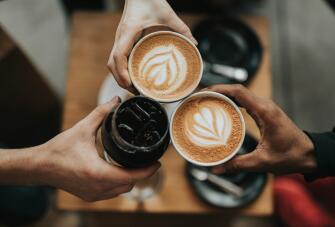
Naturally, coffee isn't the first thing anyone thinks of when you say the word "bakery". But in terms of volume of sales, profitability, and return on your investment of both time and money, coffee is top of the pile!
Drinks are, across the hospitality industry, more profitable than food. They're cheaper to make, and they have high margins, and as coffee is ten times as popular as tea in the US, that's clearly the go-to drink for your bakery.
On a single cup of coffee that takes no more than a minute to make, you can expect a profit margin of roughly 250%. On a $4 cup, less than a $1 for good quality beans, $0.10 or $0.20 cents on milk and sugar, and a few more cents to heat up some water.
In short, coffee is a no-brainer, and if your bakery is too focused on your brilliant baking, you're leaving change in your customers' pockets.
Donuts
With giant brands like Krispy Kreme leading the way, and 2024 sales for the US just shy of $4 billion, the donuts position as a bakery favorite is very safe. A big part of that success is how popular donuts are with kids, with 64% of parents reporting buying donuts recently.
There are two ways of making profitable, popular bakery items. One is to make lots of money on those you sell, the other is to sell more of them! With donuts, you can do both. People often buy donuts in much larger numbers than they do other bakery treats. The Krispy Kreme model lets customers buy all sorts of combinations in boxes of half a dozen, a dozen, or even more! Even if you lower the sale price to entice customers, how can you fail when you sell so many?
Pastries
Pastries (such as croissants, donuts and cinnamon rolls) are bakery must-haves that can be sold at high prices due to their buttery goodness and flaky perfection. These fresh bakery products are ideal for breakfast crowds or coffee shop pairings and cater to customers seeking a quick but indulgent treat. From sweet fruit-filled danishes to savory options, pastries provide bakery owners with another highly profitable item that can attract customers with simple ingredients and high-quality craftsmanship.
Cinnamon rolls
When anyone walks into a bakery, one of the first smells they'll be on the sniff out for is cinnamon. Baked cinnamon goods are among the bakery-lovers' top picks, with NYC bakery Hani's reporting cinnamon rolls were their top seller!
Cinnamon rolls offer customers that sense of indulgence they often want when they go to a bakery for a treat, which they don't necessarily get from a croissant. They're also tied to festive seasons and daily traditions like the Swedish Fika, where you pause, take a break, and reconnect.
With the need for a sweet cinnamon sauce, the production cost on a cinnamon roll may be marginally higher than for something like a donut, but cinnamon rolls are having a moment, so don't forget them when you write up your bakery menu items!
Vegan and gluten-free baking
Depending on where you are in the US, the percentage of vegetarians and vegans could vary significantly. Across the country, vegans account for around 4% of the population, with many of these people falling into younger demographics. Vegans can have a tough time trying to find dairy-free baked goods, which means when they find one they love, they'll buy it again and again! Just having one or two vegan bakery products on your menu can win you a lot of these customers and earn you a lot of repeat sales, making vegan baking well worth a try!
When it comes to gluten-free diets, as many as a third of Americans wish to reduce the amount of gluten they eat, though fewer than 1% suffer from celiac disease, with roughly 5-6% intolerant. However, with so many wishing to consume less gluten and so many bakeries failing to offer gluten-free options, catering to these people offers bakeries the chance to win loyal customers who will come back time and again, knowing they can find something for them!
How to Calculate Profit Margins (Step-by-Step)
Knowing which bakery foods are the most profitable is only half the picture; you also need to know why they're profitable, and how to calculate that for every baked good you sell. Luckily, there are only two key measures that every bakery owner should get to grips with.
Gross Margin %
Gross margin is the starting point for understanding whether an item is actually worth selling. It tells you what percentage of a product's sale price you keep after paying for the ingredients. Simply put, the higher the percentage, the better, because it means more room to cover your overheads and turn a profit.
Formula:
Gross Margin % = ((Sale Price – Cost of Goods) ÷ Sale Price) × 100
Example — Coffee:
- Sale price: $4.00 | Cost of goods: $1.30 (beans, milk, sugar, cup)
- Gross Margin: (($4.00 – $1.30) ÷ $4.00) × 100 = 67.5%
Example — Cookies (batch of 24):
- Batch cost: $6.00 | Sale price per cookie: $2.50 | Cost per cookie: $0.25
- Gross Margin: (($2.50 – $0.25) ÷ $2.50) × 100 = 90%
Contribution Margin (in Dollars)
The contribution margin shows how much money each item actually adds to your business after covering ingredients and direct labor. Essentially, it’s the amount left from each sale that helps pay your operating expenses and generate profit — the higher it is, the more critical that item is to your bakery's success.
Formula:
Contribution Margin = Sale Price – Variable Costs (ingredients + direct labour)
A custom cake with a $155 contribution margin on one sale contributes more to your fixed costs than 60 cookies at $2.25 each, even if the cookies have a higher margin percentage. Both metrics are important: gross margin helps you understand how efficiently each bakery food is making a profit, and the contribution margin shows how the sale actually adds to your profit.
For further guidance on POS systems and tracking sales, give our guide on managing inventory a read for more hot tips and how-tos.
Transform Your Bakery Business with Epos Now Bakery POS
Effortless sales, real-time inventory tracking, and sweet success await!
How To Build A Profitable Bakery Menu
By now, you should have a clear idea of which bakery foods you want to sell. But choosing the right products is only part of the equation; how you structure, price, and manage your menu is just as important to the success of your bakery business.
1. Prioritize items by dollar contribution
Knowing the costs of your bakery items is crucial for understanding their profitability. If you can pinpoint which items are cost-effective, you can make informed decisions about pricing and menu offerings.
Start by determining the total cost to produce a batch of each item. Include all ingredients (flour, sugar, eggs, etc.), packaging, and any other overhead costs. For example, if you're baking chocolate chip cookies, list all the ingredients and their prices, then calculate the total cost for a batch. After you know the total batch cost, divide that by the number of items produced to find the cost per item. This will help you understand your profit margins.
If you find that a particular item is costing too much to make, think about adjusting portion sizes or ingredients. For example, if your large cookies are not selling as well as smaller ones, consider offering a smaller, cheaper version that still satisfies customers.
Top tip: Regularly review and update your recipes and costs as ingredient prices fluctuate, by changing the cost price on your Epos Now products list. Then, check your sales reports for profit margins on each product and make changes whenever necessary, ditching any products that are holding your business back!
2. Reduce labor-intensive items with thin margins
Some items take significant skilled time per unit but sell at a price that doesn't reflect that. If an item's contribution margin — after ingredients and direct labour — is consistently thin, consider repricing it, finding a more efficient way to produce it, or removing it. Use your POS sales reports to make this call with data rather than instinct.
3. Bundle low-margin items with high-margin beverages
Coffee and other drinks carry some of the highest margins in any bakery. Bundle them with food items to lift the average transaction value. A $3.00 brownie bundled with a $4.00 coffee for $5.50 feels like a deal to the customer — but the drink's margin more than compensates. Train your team to offer the bundle at the point of sale, so it becomes a natural part of every interaction rather than an afterthought.
4. Use seasonal items to test new margins
Every October, thousands of people around the world head to Starbucks for their infamous Pumpkin Spice Latte. The warming spice of the cinnamon and nutmeg just makes you feel toasty on a cold Fall day. A few months later, that cult-favorite drink is no more. It’s been replaced with the not-as-popular, but still adored Gingerbread Latte. To get consumers into the holiday spirit. Seasonal drinks are so popular that Starbucks reported that an impressive 10% of its annual sales come from seasonal drinks. But why is this?
Well, firstly, it gives you that nostalgic feeling when you’re eating or drinking an item that reminds you of a certain season. Because these items are limited edition, it also gives consumers the feeling of FOMO (fear of missing out). They don’t want to miss the opportunity of trying these products before they’re taken off the shelves.
With this in mind, we recommend introducing seasonal pastries to your menu. You could make gingerbread cookies for Christmas, chocolate-covered eggs during Easter, bake with summer fruit pies or tarts as the weather gets warmer, or serve pumpkin pie in Fall.
Top tip: Use your Epos Now POS reports to check previous year sales to see which of your seasonal products had the biggest impact!
5. Track waste and spoilage as margin killers
Unsold fresh items, such as donuts, artisan bread, and pastries, represent direct margin loss. Every item discarded is an ingredient cost absorbed with zero return. For best results, ensure to track daily waste by item, adjust production quantities based on historical sales data, and build a same-day markdown or donation strategy to reduce write-offs. Consider removing high-waste items from the menu altogether.
6. Subscriptions
Repeat custom is valuable for any business, and your bakery is no different. Subscriptions are one of the best ways to get regular visits from customers.
Starting a "cookie club" where customers can get their weekly fix of your cookies for a reduced price can help give your business a great foundation to work from, all while building customer loyalty.
Businesses put all kinds of bakery products in subscription packages, from special treats that one-off customers can't find, to a one-of-everything "see what you like best" bundle.
7. Reduce overhead costs
Running a bakery isn’t cheap, but keeping overheads low can make a huge difference to cost-effectiveness. Start with your utility bills. Are you using energy-efficient ovens, fridges, or lighting? Switching to energy-saving options might feel like a high upfront cost, but it can save you loads in the long run.
Think about your staffing, too. Make sure you’ve got enough people on during busy times, but avoid overstaffing when it’s quiet. For ingredients, buying in bulk can save you money, especially for essentials like flour and sugar. Building relationships with local suppliers can also lead to better deals. Finally, take a look at your bakery layout. Could rearranging your workspace make things faster and more efficient?
Small changes like these can really add up, helping you save money without cutting corners.
How Epos Now Analytics Improves Bakery Profitability
A bakery POS system can really make a difference for your bakery. It helps you run things smoothly, makes customers happy, and can even boost your profits. Here’s how:
-
View profit per item in real-time: Identify underperforming items instantly by viewing profit margins in real time. For example, if coffee margins drop below 80% due to rising ingredient costs, you can adjust pricing immediately instead of losing profit over weeks.
-
Menu profitability matrix: With Epos Now reporting, you can analyse each menu item by sales volume and profit contribution. This makes it easy to identify which bakery items to promote, reprice, bundle, or remove as costs and demand change.
-
Sales reports and insights: The best POS software gives you access to sales reports. With POS software, you can find out which items sell best (and calculate profits on each product). You can spot trends, monitor business performance, and understand what customers like. This helps you make smart decisions about what to sell and how to price things, increasing your overall profitability.
-
Labor cost tracking by item: By understanding product-level performance, you can identify which items are labour-intensive and which deliver stronger returns. This helps you prioritise efficient, high-margin products and reduce time-heavy, low-profit items.
-
Waste & Spoilage Monitoring: Epos Now helps you track sales patterns and ingredient usage more accurately, reducing waste and spoilage. Better inventory visibility means tighter cost control and improved overall profitability.
By using a bakery POS system, you can improve how your bakery runs, cut down costs, and give your customers a great experience. Check out Epos Now's bakery solutions to find the right fit for your business.
Frequently asked questions
- What bakery items have the highest profit margins?
-
Custom cakes can have very high profit margins, though they may take a little more work to prepare. Profitable items that can be prepared quickly and easily include donuts, breads, cupcakes, cookies and muffins.
It's also worth mentioning that hot drinks like tea and coffee also have incredibly high profit margins and take very little to prepare!
- What should I sell in my bakery?
-
Most bakeries you see will be full of staples like cookies, donuts, muffins, and breads. However, it's important to keep things interesting, especially for your regulars. So whipping up daily or weekly specials, keeping track of the seasons and adjusting for the time of year, as well as offering bespoke bakery deals are all ways to keep your menu interesting!
- Which bakery products cost the most to prepare?
-
The bakery products that cost the most to prepare will be those which need ingredients you can't buy in bulk. These will include any custom products, including bespoke cakes or bakery items you're making for a special occasion.
Products that take longer to cook can also have an impact on your utilities and payroll, as your staff (or your ovens) will need to spend longer working on them.
However, it's important to note many of these products will have a premium price because of these requirements, so don't let these expenses put you off!
- What makes a successful bakery?
-
Everybody measures success in their own way, but profitability is essential for any business' long-term wellbeing. If you want to ensure your bakery stays in the green, tools like an Epos Now POS system equipped with data analytics tools can help you measure which products are profitable, and which are wasting away.
Using POS reports to plan for the future, maintain smart stock control and low wastage, then the POS sales tools that help you keep efficient, friendly service, you can run a bakery that lets you focus on providing the service customers love (lots of people measure success by the impact they can have on their community, after all).
- Are cookies more profitable than cakes?
-
Often, yes—cookies are usually cheaper and quicker to produce, allowing for higher margins. Usually, customers will only buy one cake, but people will buy large numbers of cookies, which can help drive profits from those bakery items above products like cakes.
Cakes are often more labor intensive, as well, which means they account for more of your payroll!
- How can I tell if a bakery item is making me money?
-
If you calculate the cost of your ingredients and packaging, per item, along with your utility and payroll costs (how long do each item take to make?). Once you have your COGS (cost of goods sold), you can calculate your profit margin.
Naturally, your bakery POS system can help with this, generating your business reports automatically. But you'll need to do the work calculating the cost per item. Then, just check your sales reports to see which items are pulling their weight!
- Should I remove best-sellers with low profit margins?
-
Not always. If an item is a strong seller, it can still be valuable even with low margins because it may drive traffic and add-on sales, and you can improve its profitability through pricing, portioning, or bundling. However, if an item consistently underperforms and doesn’t support wider sales, don't be afraid to remove or replace it.
- Can ingredient price changes destroy my margins?
-
Absolutely. Even small increases in ingredient costs can eat into your bakery's profit margins, especially on popular low-margin items. If margins get too tight, you may need to raise prices, adjust recipes, reduce portion sizes, or remove certain bakery items from your menu completely.
- How often should I recalculate my profit margins?
-
- What's the difference between gross margin and contribution margin?
-
Gross margin shows what percentage of the selling price you keep after ingredient costs. Contribution margin shows how many actual dollars you make from each sale after covering costs. Both help you understand how profitable each bakery item really is.
Ready to elevate your bakery business? Fill in the contact form below to explore the world of opportunities with Epos Now's services and products!