
Restaurant Bookkeeping AU: The Complete Guide for 2026



For restaurant owners who love the business and the industry, there's no better challenge than overcoming the odds, and having a successful and profitable business where customers can enjoy your food, drinks and atmosphere.
One of the most important elements of your restaurant's financial health is managing your restaurant bookkeeping effectively. For restaurant owners, you must keep accurate and up-to-date books so you know your financials inside and out.
Fortunately, you can take some relatively simple steps to ensure your bookkeeping is in tip-top shape. Let's go over a few basics so you can start mastering the art of restaurant bookkeeping.
What is restaurant accounting?
First and foremost, let's understand the basics of restaurant accounting (also referred to as bookkeeping for the restaurant industry). Restaurant accounting is a financial process that involves recording and organising financial transactions related to running a restaurant.
It's important to keep accurate records of every transaction in your restaurant so you can track spending, identify areas for improvement and manage taxes properly.
What financial transactions should you track in restaurant accounting?
It's important to track transactions such as:
- incoming payments from customers
- outgoing payments for suppliers and vendors
- payroll expenses
- Operating expenses
- taxes and insurance
- rent or mortgage payments
You should also keep detailed financial records of all your restaurant bank accounts, including your business checking, savings and credit card accounts.
This will help you keep track of ALL recorded financial transactions so you know what's going on with your financials at all times.
Single Touch Payroll (STP) for restaurants
Every Australian employer, regardless of size, must report wages, PAYG withholding and superannuation to the ATO through Single Touch Payroll each time they run payroll. STP Phase 2 has been fully enforced since the 2025–26 financial year, meaning payroll data now needs to be broken down by category — overtime, allowances, bonuses and the like — rather than reported as one gross figure.
Practical steps:
- Digital, per pay-run reporting. There's no annual catch-up here — every pay event needs to be reported to the ATO on or before pay day.
- Get your categories right. Phase 2 wants wages, overtime and allowances separated out, not lumped into "miscellaneous."
- Finalisation declaration. You'll need to lodge this by 14 July each year so staff can access their income statements at tax time.
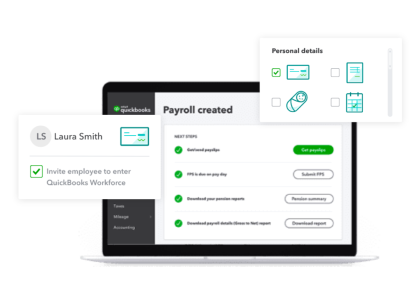
- POS and roster integration. A POS system that talks to your STP-enabled payroll software (Xero, QuickBooks) removes the double-handling of hours worked, tips and wages.
Epos Now's integrations with Xero and QuickBooks help keep your payroll reporting accurate and on time with minimal extra admin.
Integrate With Quickbooks
With QuickBooks Online and Epos Now, you can quickly export your sales data and save on average 8 hours of work per month on your accounts.
Step 3: Simplify your payroll processing
Payroll processing is one of the most compliance-heavy parts of running a restaurant, with several Australia-specific obligations to stay on top of.
You'll need payroll software that handles PAYG withholding and Single Touch Payroll (STP) reporting automatically, sending pay and deduction data to the ATO on or before each payday. The more automation you implement here, the less room there is for human error. You'll also need to apply, at minimum, the correct rate under the Hospitality Award or Restaurant Industry Award for each role (these rose 4.75% from 1 July 2026, alongside a rise in the National Minimum Wage to $26.44/hour for any award-free staff), apply casual loading correctly for your casual workforce, and manage superannuation guarantee contributions under the new Payday Super rules.
It's a lot to stay on top of, but using the right tools makes it much easier. For example, good software integrates your POS system with tip handling and reporting, tips that pass through the business (card tips, pooled tips redistributed by the employer) need to go through payroll with PAYG withholding, super and STP reporting applied, while tips handed directly to staff in cash don't need to touch your payroll at all. All you and your team need to do is get that distinction right and keep it consistent.
Personal/carer's leave and Parental Leave Pay are further elements of payroll that need to be calculated and paid correctly and on time, but most payroll platforms will flag eligibility and handle this automatically, reducing the risk of costly errors.
Step 4: Reconciliation is key
Reconciliation is the process of comparing different sets of financial data to make sure they match up. For example, you might need to reconcile your bank statements and credit card bills with the financial reports generated by your POS system.
Reconciliation ensures accuracy and prevents fraud and accounting errors, so this process must be conducted regularly. Today's restaurant accounting tools make reconciliation simple. You can quickly upload your bank and credit card statements, compare them with your reports, and generate accurate financial statements in minutes.
Step 5: Calculate your costs
Restaurant costs come in all shapes and sizes, from food costs to labour costs and everything in between and understanding your overhead costs is key to managing your budget.
Some of the most important costs to keep track of include:
- Cost of goods sold (COGS). This is the cost of products you sell, such as food and beverages
- Labour costs. This includes wages, superannuation and other employee-related expenses
- Rent/lease. This includes rent or mortgage payments for your restaurant space
- Utilities. This includes electricity, water, gas and other utility bills
- Equipment. This includes kitchen equipment, furniture and other items you purchase for your restaurant
- Food costs. Your food costs include ingredients, packaging and other food-related expenses
- Marketing and administration. This includes advertising costs, business insurance and other non-product-related expenses
Once you know your costs, set aside a budget for each expense so you can easily monitor how much money is being spent on what.
Restaurant food cost percentage
Getting the right mix in your spending is what people are really talking about when they say "balance your books". Your food cost percentage is a big part of that, telling you how much of your revenue is being eaten up (literally) by ingredients. It's one of the most important numbers in restaurant finance; get it wrong, and even a busy dining room can quietly bleed profit.
The industry benchmark is 28–35% of revenue (roughly the same as your payroll), though this varies by concept and cuisine. Sitting outside that range usually means you're leaking money. You can win this back by employing controls and how you use your ingredients: portion control removes overserving which can become a big expense across hundreds of covers. Tracking and reducing waste through spoilage, over-prep, plate returns can help ensure more of your food is consumed rather than thrown away. Menu engineering promotes high-margin dishes and re-pricing or removing low-margin ones can make your ingredient expenses win you more revenue. Finally, renegotiating with suppliers, especially seasonally, can also shave meaningful percentage points.
The calculation itself, to determine your food cost percentage, is fairly simple: divide your Cost of Goods Sold (your supplier bills) by your revenue, then multiply it by 100. For example, if COGS is $9,000 and revenue is $30,000, your food cost percentage is 30%, right in the healthy range.
The harder part is getting accurate and timely COGS data, but for businesses with the right POS system, that's easily done. If you input the cost prices of your ingredients onto your POS, a good POS will help you generate reports on your inventory expenses, calculating food costs in real time as dishes sell, rather than waiting for a monthly stocktake. This ensures problems surface while they're still cheap to fix.
Labour cost percentage
Alongside food cost, labour cost is the most critical financial metric in your restaurant financial management, and should sit in a similar range as a proportion of revenue.
Labour cost percentage refers to how much you spend on staff relative to utilities, marketing, ingredients, and the other outgoing costs of running your business. This isn't just pay packets, but also covers superannuation, leave entitlements, payroll tax where it applies, etc., and shows how efficiently your team converts hours into sales.
- Industry benchmark. Typically 30–35% of revenue, though full-service restaurants often run higher than quick-service as there will be more staff per customer so closer attention can be paid to each diner.
- Award and minimum wage increases. From 1 July 2026, hospitality and restaurant award rates rose 4.75%, and the National Minimum Wage (for the small share of award-free staff) rose to $26.44/hour, either way, baseline labour costs are climbing across the sector.
- Casual loading vs annual leave. Most restaurants run on a mix of casual and permanent staff. Casuals are paid a loading (typically 25% on top of the base rate) instead of paid leave, while permanent staff accrue annual and personal leave under the National Employment Standards. Mixing these up, or under-paying casual loading, is a common compliance issue.
- Superannuation and Payday Super. The super guarantee sits at 12% of ordinary time earnings, and from 1 July 2026, Payday Super requires you to pay contributions within 7 business days of each payday rather than quarterly, a meaningful change to cash flow timing, not just compliance.
- Tip handling. Tips that flow through the business (card payments, pooled tips) need PAYG withholding, super and STP reporting applied like any other wages. Cash tips handed straight to staff don't need to touch payroll, but keeping the two streams clearly separated avoids underreporting wages down the line.
- Managing labour without hurting service. Your POS system documents how busy you are for each shift week by week, month by month, helping you match rosters precisely to forecasted demand rather than fixed shift patterns. Cross-train your staff to flex across roles and use sales data to identify quiet periods where hours can be trimmed painlessly, optimising your staff cost percentage.
Cash flow management for restaurants
Managing cash flow can be tough for any business, and restaurants face similar challenges. Your suppliers often want payment on delivery or within a maximum of 30 days, but you'll only make that money back once you've sold what they delivered, and card settlements can take a few days to clear. That gap catches out even profitable businesses.
Daily POS reconciliation should be your baseline for knowing where you'll stand ahead of time, matching your takings against bank deposits each day, not just at the end of the month.
Building a forecast doesn't need to be complicated. Project incoming revenue (based on historical trends on your POS adjusted for more recent market trends), outgoing supplier payments, payroll dates and fixed costs like rent, on a rolling 12-week basis, updating it weekly with actuals.
Finally, keep a dedicated business bank account. Mixing personal and business finances makes it far harder to see your true cash position, and it complicates tax reporting and bookkeeping significantly!
Tips for your financial strategy
Start with a financial plan:
It's important to have an overarching financial plan before you get started with bookkeeping for hospitality. A financial plan will help you stay organised and track your financial progress and metrics.
Some things you should include in your financial plan are:
- A budget for each month
- Financial goals and targets
- Cash flow projections
- Strategies to reduce costs and increase revenue
Automate your processes:
Automating financial processes can make life easier for the busy restaurateur. An automated accounting system can help you track invoices, manage payments and reconcile financial data quickly and easily.
Stay organised:
Keep your financial records organised by creating a financial filing system and creating digital backups of important documents. This will make it much easier to keep track of financial information at tax time.
Monitor your financial progress:
Track your financial goals and progress regularly. Monitor key financial metrics such as profits, expenses and cash flow to gain insights into your restaurant's financial health.
Some KPIs to keep an eye on include:
- Revenue growth
- Cost of goods sold (COGS)
- Gross profit margins
- Net profit margins
- Cash flow statement
Keep accurate records:
Accurate financial records are essential for tax filing and compliance with local laws. Ensure you document all transactions to easily access financial information when needed.
Remember, a POS system and financial software will help you manage your financials more efficiently. With the right tools, you can easily track financial data, generate accurate financial reports and monitor restaurant performance.
With these tips in mind, you can become an expert at restaurant bookkeeping in no time! With the right financial systems and processes in place, you'll be able to easily manage your financial data and keep your restaurant running smoothly.
How a POS system supports restaurant bookkeeping
A good POS system does more than take orders, it's the backbone of accurate, low-effort bookkeeping.
- Automatic accounting sync. With an accounting integration, sales data can flow directly into Xero or QuickBooks, eliminating manual entry.
- Real-time food cost tracking. Ingredient-level inventory and sales records update reports to give you your food cost percentage in real-time, not just at a monthly stocktake.
- Daily reconciliation. Takings match against bank deposits automatically, catching discrepancies early and helping you nip any financial issues in the bud.
- Staff and payroll integration. Hours worked, shifts, and wages feed straight into STP-enabled payroll processing so your admin is reduced to setting up your roster and sending out the pay.
- Financial reporting. Restaurant POS systems like Epos Now offer reporting tools that give dozens of essential insights into the financial situation of restaurants, including product profitability, and overall revenue by menu category, and it's all automated.
- GST and BAS-ready. Digital sales records flag GST-free vs taxable items at the point of sale and integrate with your accounting software, so your quarterly BAS is a matter of reviewing figures rather than reconstructing them.
Final thoughts
The restaurant industry is a high-stakes business, and financial management is key to its success.
By following the steps outlined above, you can develop an effective financial strategy for your restaurant and stay on top of your expenses.
With the right restaurant bookkeeping software in place, you'll have the data necessary to make informed financial decisions that will help keep your business profitable.
Good luck!
Manage a hotel? Check out our hotel operations management guide to learn more about financial management and other aspects of running a successful hotel.
Frequently asked questions
- What is restaurant bookkeeping?
-
Restaurant bookkeeping is the process of recording and organising financial transactions, including sales, supplier payments/ingredient expenses, payroll, taxes and rent, so you have an accurate, up-to-date picture of your restaurant's financial health at all times and stay legally compliant.
- How often should a restaurant do its bookkeeping?
-
Bookkeeping is a constant process, but with automation, that doesn't necessarily mean you'll have much to do. POS reconciliation is a quick, daily task; you should review your food and labour percentages weekly. You should also conduct full monthly financial checks each month, and especially at the end of each quarter.
- What is a good food cost percentage for a restaurant?
-
Most restaurants aim for a food cost percentage between 28–35% of revenue, though this varies by cuisine and concept. Higher percentages usually signal an opportunity to review portioning, waste, or supplier pricing to increase margins.
- Do restaurants need to register for GST?
-
Yes, once taxable turnover exceeds $75,000 in any rolling 12-month period, you must register with the ATO within 21 days. Below that threshold, registration is optional, though some restaurants register voluntarily if it benefits their GST position (for example, if they make mostly GST-free supplies and want to claim credits on expenses).
- Should I use an accountant or bookkeeping software for my restaurant?
-
Most restaurants benefit from both. Accountants love POS integrations like Xero, which handles day-to-day recording, reconciliation and reporting, so an accountant can drop in with everything in order, lodge your BAS and tax return with the ATO, and advise on tax strategy, compliance and bigger financial decisions that software can't make.
- How does a POS system help with restaurant bookkeeping?
-
A POS system gathers all the essential data, tracking food costs, inventory, sales, staff hours and wages, and tax data. It reconciles takings daily, and supports STP payroll reporting and GST/BAS compliance, reducing manual admin significantly. And with an accounting integration, it even feeds sales data directly into accounting software.