How to Set Up a Market Stall in the US: A Step-by-Step Guide



Looking to share your product with the world? If so, this might be your time to open a market stall. The good news is, you won’t need a business degree to start selling your products face-to-face. All you need is some planning, research, and a bit of confidence to set up a successful market stall.
Farmers markets, flea markets, craft fairs, and holiday markets have all exploded in popularity across the US over the past several decades, and for good reason. In fact, the number of farmers markets alone has grown from around 1,755 in 1994 to nearly 8,800 today, according to the USDA. They're one of the cheapest, lowest-risk ways to test a product, meet your customers in person, and build a brand before you commit to anything bigger. They're also refreshingly flexible: there's no fixed schedule to commit to, so it can genuinely be something you build on the side, at a pace that works for you.
Let’s walk you through the steps of how to get your stall up and running, so that you can enjoy success from day one. Ready to start?
1. Nail down your product and your market fit
Before you get carried away and start investing in your market setup or stock up on materials, you’ll need to perfect what you are selling and who you’ll be selling to. You’ll want to make sure your product suits the demographic; you don’t want to end up at the wrong market with the wrong crowd. Here are the most common markets to choose from in the USA:
-
Farmers markets offer fresh produce, eggs, honey, baked goods, and prepared foods.
-
Craft and maker markets are all about handmade goods, such as jewellery, candles, ceramics, art, and apparel.
-
Flea markets are more of a free-for-all, mixing vintage finds, resale items, and crafts.
-
Holiday and pop-up markets focus more on treats, seasonal wares, gifts and decorations.
We recommend going and visiting a few markets in your area before you commit to anything. Watch what's selling, note how things are priced, and chat to vendors about their experience. All it takes is a bit of scouting, and you can spot gaps in what's already on offer, so you're not just another candle stall in a sea of candle stalls.
Once you've got a shortlist of markets that suit your product, it's time to make the final checks. Here’s what you should look out for:
-
Foot traffic and audience fit: Visit in person if you can, and watch whether the crowd matches who you're selling to (check the age range of those attending).
-
Vendor fees: These vary a lot, so make sure to double-check costs against what you can afford.
-
Application and jury process: Many craft and art markets will ask for photos of your work and put you through a jury review before you're accepted.
-
Frequency: Depending on your availability and level of dedication, the frequency might be a deciding factor.
-
Location and parking: A fantastic market with nowhere for customers (or you) to park can quietly kill a good day of sales.
-
Season and weather patterns: An outdoor market in July is a very different experience to one in January, so factor climate into your setup and your product mix.
Don't be afraid to start with a smaller, lower-fee market to test the waters; it's a much cheaper way to find out what works and what doesn’t. Once you get going, you can use what you’ve learned to improve your setup, change markets, or increase your market days.
2. Get the legalities right
This is the bit that often gets forgotten about or underestimated by the vendors. Keep in mind that regulations vary by state, county, and city, so before you start selling, make sure to double-check locally. Generally, though, here’s what you'll want to look into:
-
Business registration: Depending on your state, you might need to register a business name (a "DBA," or doing-business-as) or set up an LLC. A sole proprietorship is the simplest and cheapest way to start out.
-
Sales tax permit/seller's permit: Most states will ask you to collect and remit sales tax on what you sell. Your state's Department of Revenue is the place to check.
-
EIN (Employer Identification Number): This one's free from the IRS. You may not need it as a sole proprietor with no employees, but it's handy for keeping your business and personal finances separate.
-
Health permits: If you’re selling food, you'll likely need a food handler's permit, and you may need to prepare items in a certified commercial or "cottage food" kitchen. Cottage food laws differ a lot by state, so check what's allowed where you are.
-
Local vendor permit: Many cities and counties want a separate permit to sell at markets or events, on top of whatever fee the market itself charges.
-
Zoning and market-specific rules: The market organizer will usually have their own rulebook covering booth size, setup times, insurance, and what you're allowed to sell.
Although all of this might sound a little bit confusing, most of this is easy to check online. Here's what we recommend: check your state's Department of Revenue, and your city or county website will usually spell out exactly what permits and registrations you need. If anything's unclear, you can always call your city clerk's office or local Small Business Administration (SBA) office, so you're not caught off guard on your first market day.
If you don’t follow guidelines, you could risk getting turned away or shut down on the day, or even worse, you could face fines from the city or your county. Fortunately, this is all easy to avoid by sorting your registration, permits, and insurance before your first market day. Remember: don't be afraid to chat with the other more experienced vendors if you need any additional guidance!
3. Get insurance
Most markets don't legally require you to carry insurance, but a lot of them will still ask for proof of it before they approve your application, so in practice, it ends up being close to essential if you want to sell at anything beyond the most casual, informal markets.
General liability insurance covers third-party claims, meaning if a customer gets hurt or their property is damaged because of your booth, your policy pays out instead of you personally. This covers incidents such as a customer tripping over a tent weight, a shelf tipping onto someone, or a product causing an allergic reaction. While all of this is unlikely, it’s usually not a risk worth taking, especially if you decide to make market selling a regular part of your business rather than a one-off.
4. Set up a payment system
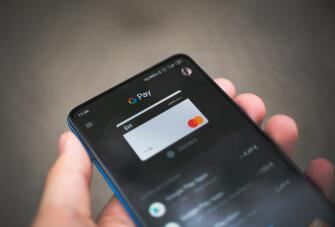
This is the part you won’t want to miss. Here's the truth: cash-only stalls leave money on the table. Even if you have the most amazing product, you’ll end up losing sales because plenty (if not most) of your customers won't be carrying cash at all, so being able to take cards smoothly and quickly is frankly non-negotiable.
If you're just testing the waters, a simple mobile card reader will get you through your first few markets just fine. But once you're doing regular market dates, juggling more products, or selling online too, you can easily upgrade to a system with all the bells and whistles.
That's where a system like Epos Now comes in. It's built with exactly this kind of setup in mind, and here's what makes it a good fit for market vendors:
-
All the major cards are covered, including American Express.
-
Your inventory stays in sync in real time, which is a lifesaver if you're selling the same products across multiple markets or running an online store alongside your stall.
-
Accounting tools like Xero plug straight in, so your market sales flow into your books instead of sitting in a shoebox of receipts until tax time.
If you're just testing the waters, here's what we'd recommend: the Epos Now Air, a light, portable card machine you can pack up and take with you, perfect for setting up quickly at a new stall each week. It accepts payments at your booth and generates sales reports on its own. The inventory and accounting features above come from the full Epos Now software, which the Air connects to.
Whatever setup you go for, we’d recommend keeping a cash box with some small bills and change handy too; there's always someone who prefers to pay that way.
5. Build your booth
Yay, we are finally at the fun bit! Now that we’ve got all the admin out of the way, it’s time to get creative. Your booth is your storefront, so once you know a market's a good fit, it’ll be time to invest. Here are a few things you’ll absolutely need.
-
Tent: A 10x10 pop-up canopy is the standard size at most US markets. Go for one rated for wind and weather if you'll be outdoors regularly.
-
Tables and shelving: Fold-out tables plus some vertical displays (shelves, grid walls, pegboards) let you show off more product without taking up more floor space.
-
Weights: Outdoor markets often require tent weights or stakes for safety, especially if you are outside for longer periods of time.
-
Signage: Clear pricing and a visible business name or logo go a long way toward looking professional and getting noticed.
-
Weather protection: Sidewalls, a tarp, and a backup plan for rain or strong sun can save an entire market day.
-
Lighting: If you're at an evening or indoor market, a couple of battery-powered clip lights can make your display pop when the natural light isn't on your side.
While these are just a few of the essentials, the rest is completely up to you! Decorate your booth in whatever way you want, whether that’s going all out or keeping it clean and minimalist. Think of your booth the same way you'd think about a shop window. You've often got just a few seconds to catch someone's eye as they walk past, so make it count.
6. Price it right
Your booth might look great, but how you price and arrange what's inside it is equally important. A few small tweaks here can make a real difference to your takings without costing you a cent:
-
Price to cover your cost of goods, your booth fee, and your time (not just materials).
-
Group items by price point so that there are a few options for every shopper.
-
Keep your bestsellers up front, near the front of the booth at eye level.
-
Consider offering a small bundle; a simple discount for buying two or three items encourages people to spend a little more without you having to discount everything.
7. Market yourself beyond the stall
One of the great things about market stalls is that every customer, or even passerby, is a chance to build something that outlasts the weekend. A bit of effort outside the booth can turn a one-off customer into a regular, and a single market visit into ongoing sales. Here’s how you can help make this happen:
-
Set up simple social media accounts (think Instagram, Facebook, maybe even TikTok) and post your market schedule regularly
-
Bring an email list or a sign-up sheet to the booth to encourage repeat business
-
Give out business cards or a QR code linking to your online shop
-
Ask happy customers for a quick photo or review
Follow these tips, and you can help make a market visit into a sale, long after you’ve packed up and gone home! Don't be afraid to engage with your customers; this is all part of the market stall appeal. People love purchasing directly from the maker, especially if it's a gift, so answer any questions, share the story behind your product, and let your personality come through.
8. Track your numbers
Make sure to keep a simple record of your sales, expenses (booth fees, supplies, mileage), and inventory right from day one. It'll make tax season a whole lot less painful, and it'll help you figure out which markets and products are genuinely worth your time.
This is another reason why proper POS systems earn their keep. Rather than manually reconciling a stack of card receipts and a cash box at the end of every market, a system like Epos Now keeps a running total of everything automatically, broken down by product, so you can see at a glance which markets are actually worth the drive and set-up. Because let’s face it, after a busy market day, all you want to do is put your feet up.
Ready to get selling?
Opening a market stall is one of the most approachable ways to start a small business in the US. The upfront cost is low, the barrier to entry is manageable, and you get instant feedback from real customers, which is more than most new businesses can say. The key is picking the right markets for your product, getting the (fairly modest) paperwork sorted early, and treating your booth like the storefront it really is.
Start small, learn from every market day, and scale up your setup, your stock, and your systems as you find your footing. Before you know it, that little 10x10 tent could be the start of something much bigger.
If you're ready to make payments and admin the easy part, take a look at what Epos Now can do for market vendors and small business owners: it's built to grow with you, from your very first market day to running multiple stalls, stores, or an online shop alongside it.
Frequently Asked Questions
- How much does it cost to start a market stall?
-
It varies a lot depending on your state, the type of market, and how big the event is. A small weekly neighborhood market will cost far less to get into than a large state fair or a juried art fair, both in vendor fees and in what's expected of your setup. As a rough starting point, budget $50–$300 for your first stall day. Vendor fees alone typically run $20–$50 for a small local or weekly market, while bigger events like state fairs or juried art fairs can run $100 or more. Make sure to consult with the official market organizer, as these numbers are just estimates.
- Do I need a business license to sell at a market in the US?
-
In most cases, yes, though exactly what's required depends on your state, county, and the type of market itself, since a weekly farmers market, a state fair, and a juried art fair can all have different rules. At a minimum, most vendors need to register a business name (or set up an LLC) and get a sales tax permit from their state's Department of Revenue. Many cities also require a separate local vendor permit on top of the market's own fee. Since this varies so much, always confirm exact requirements with the market organizer and your state and city websites before your first market day.
- How do I find markets to sell at?
-
A few good starting points: search directories like the USDA's National Farmers Market Directory, local Facebook groups for makers and vendors in your area, and city or county event calendars. It's also worth visiting a few markets in person first to get a feel for the crowd, the vendor mix, and whether it's the right fit for your product before you commit to an application or fee.
- Do I need insurance to sell at a farmers market or craft fair?
-
Most markets don't legally require it, but many will still ask for proof of general liability insurance before approving your vendor application, so in practice, it's close to essential if you're selling anywhere beyond the most casual, informal markets.