Bakery Equipment List: Everything You Need to Start a Bakery (2026)



Commercial bakery equipment can range in cost from $60,000 to $200,000, so being smart with your purchasing decisions is absolutely vital. This guide breaks down exactly what equipment you need, whether you're writing your first business plan or upgrading an established shop.
So no matter where you are in your bakery journey, having the right bakery equipment is crucial to your business model. The right setup doesn't just ensure your baked goods come out perfectly every time; it saves you time and money, greatly affecting the success of your business.
Below, we cover everything on your "buy now" list: baking tools and utensils, ovens and appliances, mixers and dough equipment, display and storage, and the technology that keeps a modern bakery running. We'll also break down realistic costs, help you choose bakery equipment based on size and specialty, and share practical tips for sourcing and buying without overspending. Let's get started.
Essential bakery equipment for your business
When it comes to starting a bakery, having the right baking equipment is crucial; not just to produce good baked goods, but to do it consistently, safely, and at the right pace for your business. Here's everything you'll need, broken down by category.
Baking tools and utensils:
These are the small, everyday items every baker reaches for constantly. They're inexpensive individually, but they form the backbone of any bakery operation. We recommend budgeting a few hundred dollars in total on these.
- Measuring cups and spoons: Essential for precise measurements.
- Mixing bowls: For mixing ingredients and creating batters and doughs.
- Rubber spatulas: Great for scraping down the sides of bowls and folding ingredients.
- Whisks: For blending ingredients and creating airy batters.
- Flour sifters: used for sifting flour
- Rolling pins: Used for rolling out dough for pastries, pies, and other delicious baked goods.
- Pastry bags and tips: Essential for decorating cakes and pastries.
- Bench scrapers: Perfect for cutting dough and cleaning work surfaces.
- Pastry brushes: Used for glazing pastries, brushing on egg wash, and more.
Mixers and dough equipment
These are the heavy-weight items of bakery equipment that will require careful research before purchasing. This is where most of your equipment budget will go, and where the difference between hobby-grade and commercial-grade really shows.
Commercial mixer (planetary or spiral)
- What it does: Mixes dough, batter, and other ingredients at commercial volumes.
- Why it matters: A home stand mixer will burn out within weeks under commercial demand. Planetary mixers suit cakes, batters, and general-purpose work; spiral mixers are built specifically for dense bread dough.
- Best for: Every bakery. This is typically the first major purchase.
- Approximate cost: $3,000–$15,000 depending on capacity and type.
Dough sheeter
- What it does: Rolls out dough to a consistent, even thickness in a fraction of the time it takes by hand.
- Why it matters: Essential for laminated doughs like croissants, puff pastry, and Danish (hand-rolling these at volume isn't viable).
- Best for: Pastry and croissant-focused bakeries.
- Approximate cost: $2,000–$10,000.
Dough divider and rounder
- What it does: Portion the dough into equal pieces and shape them into rounds.
- Why it matters: Keeps product sizing (and therefore bake times and pricing) consistent, and saves significant labor time in comparison to hand-dividing.
- Best for: Mid-size to high-volume bread bakeries.
- Approximate cost: $1,500–$8,000.
Proofing and fermentation equipment
Proofing cabinet
- What it does: Creates a warm, humid environment that helps dough rise consistently.
- Why it matters: Inconsistent proofing is one of the most common causes of uneven bread quality. This way you can get consistent proofing everytime, with no guesswork.
- Best for: Any bakery working with yeasted or fermented dough.
- Approximate cost: $1,000–$6,000.
Retarder/proofer combination unit
- What it does: Combines refrigeration (to slow fermentation overnight) with proofing (to finish it in the morning) in one unit.
- Why it matters: Allows bakers prep dough the night before and control exactly when it's ready to bake.
- Best for: Bread bakeries and any operation baking fresh products daily.
- Approximate cost: $4,000–$15,000.
Ovens and appliances
Convection oven
- What it does: Circulates hot air for even baking across multiple trays at once.
- Why it matters: Versatile and reliable for cookies, cakes, pastries, and most general baking, usually the most practical first oven for a new bakery.
- Best for: Cake shops, pastry bakeries, and small/mid-size operations.
- Approximate cost: $3,000–$12,000.
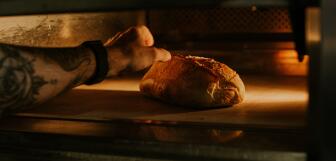
Deck oven
- What it does: Bakes directly on a stone or ceramic deck, giving bread a proper crust.
- Why it matters: The standard for artisan and commercial bread production; hard to replicate the crust and crumb it produces with a convection oven alone.
- Best for: Bread-focused bakeries.
- Approximate cost: $8,000–$30,000+.
Rack oven
- What it does: Bakes large rolling racks of product at once, rather than individual trays.
- Why it matters: Dramatically increases output without a proportional increase in labor. This piece of equipment allows bakeries to scale from mid-size to high-volume.
- Best for: High-volume and wholesale bakeries.
- Approximate cost: $20,000–$60,000+.
Microwave
- What it does: Quickly melts or softens ingredients.
- Best for: Every bakery kitchen.
- Approximate cost: $150–$600.
Refrigerator and freezer
- What it does: Stores ingredients and finished products at safe temperatures; freezers also hold par-baked or make-ahead dough.
- Why it matters: Food safety compliance and ingredient quality both depend on reliable cold storage.
- Best for: Every bakery.
- Approximate cost: $2,000–$10,000 per unit, depending on size and whether it's reach-in or walk-in.
Display and retail equipment
Refrigerated display case
- What it does: Showcases cakes, pastries, and perishable items to customers while keeping them at a safe temperature.
- Why it matters: For a retail bakery, this is effectively your storefront, directly driving impulse purchases.
- Best for: Any bakery with a retail counter.
- Approximate cost: $3,000–$12,000.
Non-refrigerated display case
- What it does: Displays bread, cookies, and other shelf-stable items.
- Best for: Retail bakeries selling bread and packaged goods.
- Approximate cost: $1,000–$5,000.
Bread slicer
- What it does: Slices loaves quickly and evenly.
- Why it matters: A huge time-saver for any bakery selling sliced bread at volume, and it makes for a more consistent customer product.
- Best for: High-volume bread bakeries.
- Approximate cost: $1,500–$6,000.
Cleaning equipment needed to start a bakery:
It's essential to keep a clean and hygienic environment in any bakery. That's why investing in cleaning equipment is a must. Here are some of the most important pieces of cleaning equipment:
- Cleaning supplies: Basic cleaning supplies like sponges, cleaning solutions, and disinfectants are a must-have for maintaining a clean bakery.
- Trash cans and liners: Used for disposing of waste and keeping the bakery free of clutter.
- Mops and brooms: For cleaning floors and sweeping up crumbs and debris.
- Gloves and hairnets: Safety equipment that helps prevent contamination of food products.
- Cleaning machines: For larger bakeries, investing in cleaning machines like floor scrubbers and steam cleaners can help keep the bakery spotless.
Maintaining a clean and hygienic environment is essential for the health and safety of your customers, and can also help keep your bakery running smoothly.
Baking pans and molds:
Baking pans and molds are essential for creating all kinds of baked goods, and come in a variety of sizes. Here are some of the most common types:
- Sheet pans: Used for baking cookies, sheet cakes, and more.
- Cake pans: Essential for baking cakes of all shapes and sizes.
- Muffin tins: Perfect for baking muffins and cupcakes.
- Loaf pans: Used for baking breads and loaf cakes.
- Tart pans: Great for making tarts and quiches.
- Pie plates: Essential for making pies.
- Donut pans: Used for making baked donuts.
How much does bakery equipment cost?
You're probably thinking, how much is all this going to add up to? For a full commercial setup, you can expect costs of about $60,000–$200,000, though where you land in that range depends heavily on size, new versus used equipment, and how many categories above apply to your bakery.
As a rough budget breakdown for a full commercial kitchen:
-
Ovens: $3,000–$60,000+ (the single biggest swing factor, depending on convection vs. deck vs. rack)
-
Mixers and dough equipment: $3,000–$25,000
-
Refrigeration and display: $5,000–$25,000
-
Pans, tools, and utensils: $1,000–$3,000
-
Cleaning, packaging, and POS: $3,000–$10,000
If it's all starting to look a bit expensive, we have good news! While you certainly can buy the very best and newest bakery equipment available on the market, there are also other options available. Here are a few ways to keep costs realistic for your situation:
-
New vs. used: Used commercial equipment can cut costs significantly, especially for mixers and ovens, which tend to have a long working life. The downside is that there's usually either a limited or nonexistent warranty.
-
Leasing vs. buying: Leasing spreads the cost over monthly payments instead of a large upfront outlay, which helps preserve cash flow in your first year. It can also offer tax advantages, since lease payments are typically a deductible business expense.
-
Phasing purchases: You don't have to buy everything before opening day. Many bakeries open with core equipment only and add specialty items (a dough sheeter, a second oven, a bread slicer) once sales start to get going.
Bakery technology and POS systems
Equipment gets your product out of the oven, while technology is what keeps the business side of your bakery running smoothly. For best results, you'll need to equip your bakery with two very important systems.
Why a POS system is essential for a bakery
A bakery Point of Sale (POS) system does far more than ring up sales. It ties your front-of-house transactions directly to your back-of-house operations, so a sale at the counter automatically reflects in your stock levels, sales reports, and staff scheduling, with no manual reconciliation needed.
For a bakery specifically, this matters more than in most retail businesses because your inventory is perishable and ingredient-based, not just item-based. A strong bakery POS can track inventory down to the ingredient level, which means you can see not just "we sold 40 croissants today" but how much flour, butter, and time that represents, making it far easier to forecast ordering and reduce waste.
A good bakery POS typically supports:
-
Inventory management: Tracking stock and ingredients in real time, so you know when to reorder before you run out mid-shift
-
Sales tracking and reporting: Understanding which products actually drive revenue
-
Staff management: Scheduling and tracking hours directly from the same system
-
Customer loyalty and online ordering: Increasingly expected by customers, and a straightforward way to build repeat business
Kitchen Display System (KDS)
A Kitchen Display System replaces paper order tickets with a digital display in the kitchen. Orders route directly from the till to the KDS, reducing miscommunication and helping staff work through orders in the right sequence — particularly useful once you're taking custom cake orders or online orders alongside walk-in sales.
If you're evaluating options, Epos Now's bakery POS system is built around this kind of ingredient-level tracking alongside standard sales and staff management tools.
Epos Now Complete Solution: The Best for Business
Delight staff and customers alike with one-tap ordering, omnichannel sales and real-time reporting so you can respond instantly on those busy days.
10 tips for sourcing and buying bakery equipment
When it comes to sourcing and buying bakery equipment, there are a few things you should keep in mind to ensure you get the best value for your money. Here are some tips to help you make the most of your investment:
Tip 1 - Start with a plan
When it comes to starting a bakery, it's important to have a solid plan in place. A business plan that outlines your vision for the bakery, as well as your goals and objectives, can help you stay focused and make informed decisions about your equipment purchases.
One of the first things you'll want to consider is the type of bakery you want to run. Do you want to specialize in bread or pastries? Will you offer custom cakes or catering services? Once you have a clear idea of what your bakery will focus on, you can begin to think about the equipment you'll need.
For example, if you plan to specialize in bread, you'll need a reliable commercial mixer, a proofing cabinet, and a deck oven. On the other hand, if you plan to focus on pastries, you may need a convection oven, a pastry case, and a dough sheeter.
The other side of your plan is being practical about the space available and your budget. If you want a huge commercial convection oven, an industrial-sized dishwasher, three fridges, storage space, and still have room for a multi-deck display and seating for all your customers, you’ve got to have the space and money. Measure up your space to know exactly what you’re working with, and then buy the right-sized items - this will also help you manage your budget.
Tip 2 - Prioritize equipment based on your menu
It's tempting to buy the whole shebang of "essential" bakery equipment on day one, but your actual menu should drive the order you buy in. A cake-focused bakery doesn't need a bread slicer on opening day; a bread bakery can usually wait on a dedicated decorating workstation. Map your first month's menu against your equipment list and buy for that first, expanding as you add products.
Tip 3 - Do your research
Buying bakery equipment should be a fun and exciting process, but it's important to approach it with a bit of caution. That's why doing your research is crucial for finding the equipment that will work best for your business.
The first place to start your research is online. Check out reviews and ratings from other bakery owners and industry experts. You can even join online communities or forums where bakers gather to swap tips and tricks. It's a great way to connect with others and learn from their experiences.
But don't stop there! It's also a good idea to visit local restaurant supply stores. Not only can you check out the equipment up close and personal, but you can also chat with the salespeople and ask them any questions you might have.
When doing your research, keep your budget in mind. Don't be afraid to ask for advice from other bakers or the salespeople at the restaurant supply store. They can help guide you to equipment that fits your budget and your needs.
Tip 4 - Get your money's worth with used equipment (But be smart about it!)
Starting a bakery can be expensive, and buying brand-new equipment can really add up quickly. That's why considering used equipment is a smart move for many business owners. Not only can you save some cash, but you can also get high-quality equipment that still has a lot of life left in it.
But before you go diving into the world of used equipment, there are a few things to keep in mind. First, make sure to inspect any equipment thoroughly before you buy it. You don't want to get stuck with a mixer that doesn't mix or an oven that doesn't bake. Ask to see the equipment in action if possible, and look for any signs of wear and tear or damage.
Another thing to consider is that used equipment may not come with a warranty. This means that if something goes wrong with the equipment, you'll be on the hook for repairs or replacements. To avoid this, ask the seller if there are any warranties or guarantees that come with the equipment, or consider purchasing a warranty separately.
Lastly, don't be afraid to haggle a bit when it comes to buying used equipment. The seller may be willing to negotiate on price, especially if the equipment has been on the market for a while.
Tip 5 - Save money and energy with energy-efficient equipment
In addition to buying used equipment, another way to save money when starting a bakery is to look for energy-efficient options. These types of equipment can help you reduce your energy usage and save money on your bills over time.
When shopping for equipment, look for products with the ENERGY STAR label. This certification means that the equipment meets strict energy efficiency guidelines set by the U.S. Environmental Protection Agency. By choosing ENERGY STAR-certified equipment, you can ensure that you're getting the most energy-efficient option available.
But don't just stop at ENERGY STAR certification. Be sure to also look for other features that can help save energy, such as programmable settings, high-efficiency motors, and improved insulation. By investing in energy-efficient equipment, you'll not only save money in the long run, but you'll also be doing your part for the environment.
Tip 6 - Stay safe with certified equipment
As a bakery owner, the safety of your customers and employees should be a top priority. That's why it's important to choose equipment that meets safety standards. One way to do this is to look for equipment that has been certified by organizations like NSF International or Underwriters Laboratories (UL).
NSF International is an independent organization that tests and certifies equipment to ensure that it meets strict safety and sanitation standards. UL is another organization that certifies equipment to ensure that it meets electrical safety standards.
By choosing equipment that has been certified by one of these organizations, you can have peace of mind knowing that your equipment is safe to use. Plus, some local health departments may require certification from these organizations in order to approve your bakery for operation. So, be sure to do your research and choose equipment that is certified and up to safety standards.
Tip 7 - Save money and conserve cash flow with leasing
Starting a bakery can be a big financial investment, and it's not always easy to come up with the money to buy all the equipment you need upfront. That's where leasing comes in as a good option to consider.
Leasing equipment allows you to use the equipment you need without having to pay for it all upfront. Instead, you'll make monthly payments over a set period of time. This can be a great way to conserve your cash flow and keep your startup costs low.
Additionally, leasing can also have tax benefits. Because the monthly lease payments are considered a business expense, they can be deducted from your taxable income. This can help you save even more money in the long run.
Before you decide to lease, be sure to carefully read and understand the terms of the lease agreement. Make sure you're aware of any fees or penalties that may apply if you end the lease early or if the equipment is damaged. With careful consideration and proper research, leasing can be a smart way to get the equipment you need to start your bakery.
Tip 8 - Keep your bakery equipment running smoothly with regular maintenance
After you've invested in all the necessary bakery equipment, the last thing you want is for it to break down or malfunction. That's why it's important to have a plan in place for regular maintenance and repairs.
Regular maintenance can help extend the lifespan of your equipment, prevent unexpected breakdowns, and ensure that your equipment is running at peak efficiency. This can save you money in the long run by avoiding costly repairs or replacements.
Make sure to read the manufacturer's instructions for recommended maintenance schedules and follow them accordingly. It's also a good idea to keep a record of all maintenance and repairs, so you can easily track when services were performed and anticipate future maintenance needs.
In addition to regular maintenance, make sure to factor in the cost of repairs when budgeting for equipment. This way, you won't be caught off guard by unexpected repair bills.
Tip 9 - Try before you buy
It's important to make sure that the bakery equipment you're interested in buying will meet your needs before you make a purchase. That's why it's a good idea to test out the equipment first. Ask the seller if you can see a demonstration of the equipment or try it out for yourself.
Testing the equipment will give you a better idea of how it works and whether it's the right fit for your bakery. You'll be able to see firsthand how easy it is to use, whether it produces the desired results, and whether it's the right size and configuration for your space.
By testing equipment, before you buy, you can avoid making costly mistakes and ensure that you're making the best possible investment for your business. Don't be afraid to ask questions, and take your time to make the right decision.
Tip 10 - Don't overspend on equipment
While it's important to invest in quality equipment, it's also important to stay within your budget. Don't overspend on equipment that you don't really need, and consider purchasing used or refurbished equipment to save money.
In summary, sourcing and buying bakery equipment requires careful consideration of a variety of factors. Make sure you test equipment before buying, consider the availability of replacement parts, and look for multi-functional equipment to save space and money. Don't overspend on equipment, and be sure to factor in maintenance costs when budgeting. With these tips in mind, you'll be able to make informed decisions about your bakery equipment purchases.
Rise to the occasion: wrapping up your bakery equipment shopping
Congratulations, you've made it through our complete guide on the equipment needed to start a bakery! By now, you should have a good understanding of the essential equipment required to run a successful bakery business, as well as some tips for sourcing and buying the best equipment for your needs.
Remember, buying bakery equipment is a big investment, so take your time and do your research to find the best options for your business. Whether you're shopping for ovens, mixers, or pastry bags, make sure you consider your budget, space requirements, and the specific needs of your bakery.
And don't forget to have fun! Starting a bakery business is an exciting adventure, and having specialized equipment can make all the difference. With a little creativity and a lot of passion, you can turn your bakery dreams into reality.
So, get ready to roll in dough and start baking up a storm with your new bakery equipment. Happy baking!
For more information on how to open, run and manage a bakery check out our additional resources below:
Frequently Asked Questions
- How much does it cost to equip a bakery?
-
A full commercial bakery setup typically costs between $60,000 and $200,000, depending on the size of your operation, whether you buy new or used equipment, and how many specialty items your menu requires.
- What equipment do I need to start a bakery?
-
The exact equipment you need will depend largely on the size and type of your bakery. That said, at minimum, a small startup bakery will most likely require a planetary mixer, a convection oven, a proofing cabinet, prep tables, and basic refrigeration. This covers most cakes, cookies, and small-batch bread.
- What is the most important piece of bakery equipment?
-
Most bakeries name their commercial mixer as the single most important purchase, since it's used across nearly every product line. That said, the "most important" item genuinely depends on your menu.
- Should I buy new or used bakery equipment?
-
Buying used equipment is an excellent method of reducing startup costs, particularly for mixers and ovens, which can last well if properly maintained. The tradeoff is a limited or absent warranty, so inspect used equipment carefully and be prepared to pay for potential repairs.
- Do I need a POS system for my bakery?
-
A POS system is close to essential for running a bakery efficiently. It ties sales directly to inventory and staffing. A bakery-specific POS system also offers ingredient-level tracking to help manage perishable stock and reduce waste in a way that generic retail POS systems often can't. Epos Now's bakery POS, for example, lets you attach ingredients to each product so stock is automatically deducted with every sale or bake, and sends daily alerts when key ingredients are running low.