Coffee Shop Employees: Roles, Responsibilities, and Hiring Tips



If you're a coffee lover like us, you know that the perfect cup of coffee can make your day. And behind every perfect cup is a team of hardworking coffee shop employees who make it all happen. They're the ones who greet you with a smile, brew your coffee just right, and make sure your latte art looks Insta-worthy. Without them, we'd be lost (and probably caffeine-deprived).
But what exactly should employees do in coffee houses? And how can you hire the best people for the job? Coffee shop owners... you've come to the right place.
In this guide, we'll explore employees' different roles and responsibilities and share some tips and tricks for hiring and retaining the best talent in the industry. So sit back, grab a cup of joe (or a soy latte if that's your thing), and let's dive in!
Key takeaways
- Three core roles keep a coffee shop running. Baristas make the drinks, cashiers handle customers and payments, and shift supervisors keep the day-to-day operation on track. Depending on the size of your shop, these roles may combine into one or two, or you may have more staff for certain roles.
- Hire for passion and people skills. Attention to detail, a strong work ethic, and good communication matter more than a long CV. The right attitude ensures a staff member will fit with your team!
- Check compliance before you hire. Make sure your pay rates meet the current National Living Wage and that new starters get food hygiene training in place.
Roles and responsibilities of coffee shop staff
Coffee shops are often bustling with activity, and it takes a team of skilled professionals to keep the operation running smoothly. Here are some of the essential roles and responsibilities of coffee shop staff that you can add to your job description:
Baristas:
What is a barista? The barista is the backbone of all coffee shops. They're responsible for making and serving high-quality coffee drinks and tea drinks, such as lattes, cappuccinos, espressos, and matcha tea. Some of their other responsibilities include:
- Grinding coffee beans and measuring out the right amount for each drink
- Steaming milk to create the perfect texture and temperature for each drink
- Pouring latte art, such as hearts and leaves, for an extra touch of creativity
- Maintaining a clean and organised workstation, including cleaning the espresso machine and other equipment
A skilled barista can turn a simple coffee into a work of art.
Cashiers:
Cashiers are the face of the coffee shop. They're responsible for greeting customers, taking their orders, and handling payment transactions. Some of their other responsibilities include:
- Answering customer questions about menu items and ingredients and providing drink recommendations and information on food items
- Handling cash and card transactions and making change
- Balancing the cash register at the end of their shift
- Keeping the front of the shop clean and organised
A friendly and efficient cashier can make a customer's day. (Especially if they write the customer’s name correctly on their cup.)
Shift supervisors:
Shift supervisors are the leaders of the coffee shop team. They're responsible for managing the day-to-day operations and ensuring everything runs smoothly. Some of their other responsibilities include:
- Assigning tasks to other coffee professionals, such as baristas and cashiers
- Handling customer complaints and resolving issues
- Tracking inventory and ordering supplies as needed
- Managing employee schedules and handling time off requests
A skilled shift supervisor can make all the difference in keeping a coffee shop running like clockwork.
For coffee shop owners, hiring employees who are passionate about making coffee drinks, providing excellent customer service, and maintaining a clean and organised shop is essential. By doing so, you can ensure that your customers are happy, your employees are satisfied, and your business is thriving.
TIP: Check out our cafe management blog for more information on running a coffee shop team.
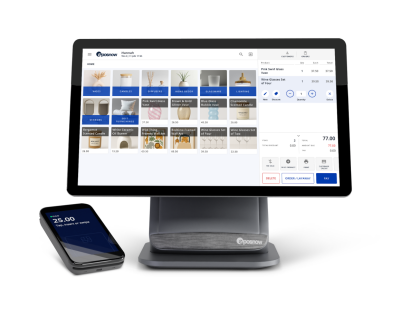
Cafe POS System
Our flexible and intuitive cafe point of sale system helps keep customers happy.
Tips for hiring coffee shop employees
Finding the right employees for your coffee shop can be a challenging task. You want people who are passionate about coffee, customer service, and maintaining a clean and organised shop. Here are some tips for hiring the best employees for your coffee shop:
1. Determine how many employees you need
Determining how many employees you need is important to running a successful coffee shop. As the owner or manager, you want to ensure that you have enough staff to provide stellar customer service but not so many that you're wasting money on extra labour costs.
When deciding how many employees you need, consider the size of your coffee shop and the volume of customers you typically serve. If you have a small coffee shop with low foot traffic, you may only need one or two employees on shift at a time. However, if you have a larger coffee shop that sees a high volume of customers, you'll need more employees to keep up with demand.
2. Look for candidates with coffee shop experience
While it's not always necessary, hiring employees with coffee shop experience can be a huge advantage. They'll already have the skills and knowledge needed to make coffee drinks, handle customer transactions, and maintain a clean shop. They'll also be familiar with the fast-paced environment of a coffee shop and be better equipped to handle the demands of the job.
If you don’t get a lot of applicants applying with relevant experience, look at the transferable skills they have. Do they have a long-term hobby? That can show great dedication or attention to detail. Do they have experience in other customer-facing roles? They may be excellent at customer service, and just need some additional training to get them to be an ace cashier or barista. Do they have a great attitude and love coffee? This isn’t something that can be taught and is a brilliant attribute for any potential employee. Find the balance of exact experience and transferable skills you’re looking for, then invite your candidates to interview. Just remember to test for all the key skills you’re looking for, and score each candidate fairly.
3. Observe candidates' customer service skills
Customer service is key in a coffee shop. Look for candidates who are friendly, outgoing, and able to communicate well with customers. During the interview, ask candidates how they would handle different customer scenarios, such as a customer who has a complaint or a customer who is in a rush.
4. Check candidates' availability
Make sure that candidates' availability matches your coffee shop's needs. For example, if you need someone to work early mornings, ensure they're able to do so. If you need someone who can work on weekends, make sure they're available. Be clear about any shift expectations from the very beginning, so you and your potential new employee are on the same page.
5. Consider reaching out to other coffee shops
Other coffee shops in your area may have employees looking for additional hours or a change of scenery. Consider reaching out to coffee shop owners in your area to see if they have any employees who would be a good fit for your shop.
Hiring employees for your coffee shop can be time-consuming, but it's essential for the success of your business. By following these tips, you can find the best employees for your coffee shop and ensure that your customers are happy and satisfied with their coffee shop experience.
Qualities to look for in your coffee shop team
When hiring employees for your coffee shop, it's important to find people who are not only qualified but also have the right qualities to represent your business well. After all, your employees are the face of your coffee shop and can make or break a customer's experience. Here are some qualities to look for when hiring employees:
- Passion for the coffee industry: Look for candidates who are passionate about coffee and the coffee industry. They should be fairly knowledgeable about different coffee blends, brewing methods, and latte art. This passion will translate into excellent customer service and a positive attitude toward their work.
- Attention to detail: Coffee making is an art and science, and it's crucial for baristas to pay close attention to detail. The right amount of coffee, water, milk, and foam can make all the difference in a drink. Look for candidates who have an eye for detail and strive for consistency in every drink they make.
- Strong work ethic: Working in a coffee shop can be fast-paced and demanding. Look for candidates who have a strong work ethic and are willing to work hard to keep up with the demands of the job. These employees will be able to handle a high volume of customers and stay calm under pressure.
- Good communication skills: Customer service is key in the coffee industry. Look for candidates who are friendly, outgoing, and able to communicate well with customers. They should be able to make small talk, answer questions about the menu, and professionally handle customer complaints.
- Ability to work as a team: In coffee shops, employees need to work together to keep things running smoothly. Look for candidates who are team players and can work well with others. They should be willing to help out when needed and communicate effectively with their colleagues.
- Flexibility: Working in a coffee shop can mean dealing with unexpected situations, such as equipment breakdowns, staff shortages, or rushes of customers. Look for candidates who are flexible and can adapt to changing situations.
Having the right employees can make a huge difference in the success of your coffee shop. Hiring full-time employees and training them well can save so much money in the long run, as well as prevent serious consequences like customer dissatisfaction or even lawsuits. Look for candidates with the above qualities to make a positive impression on your customers and help your coffee shop thrive.
Retaining coffee shop employees
In the hospitality industry, retaining employees can be a challenge, but it's crucial to the success of most coffee shops. As a coffee shop owner, you want to create a positive and supportive work environment to keep your team motivated and engaged. Here are some tips for retaining your team:
1. Create a welcoming work environment
Working at a coffee shop often means early mornings and fast-paced, high-stress environments. Creating a welcoming and positive work environment for your employees is important. Provide a comfortable break room, offer snacks or coffee to your team during their shifts, and encourage positive interactions between staff and customers. Be open and try to always find time if staff come to you with any questions or concerns.
2. Offer competitive pay and benefits
In the coffee industry, many cafes pay close to the statutory minimum, but it's important to know exactly what "the minimum" means before you set your pay scales. As of April 2026, the National Living Wage for workers aged 21 and over is £12.71 per hour, while those aged 18 to 20 must receive at least £10.85. Under-18s and most apprentices are entitled to £8.00. While you may pay minimum wage, it's also worth building a small buffer into your budgeting in case rates rise, as they often do, rather than scrambling to adjust payroll at the last minute.
It's also worth knowing that you cannot deduct tips, uniforms, tools, and salary sacrifice deductions that reduce a worker's pay below the legal minimum, and breaches can trigger significant HMRC penalties, so if your team relies on tips to top up their earnings, make sure their base hourly rate still clears the threshold on its own.
Beyond the legal baseline, many coffee shops choose to go further. Some employers voluntarily sign up to the Real Living Wage, an independently calculated rate based on the actual cost of living, which is higher than the statutory minimum. This is separate from the National Living Wage and entirely optional, but it can be a strong recruitment and retention tool if you're competing for staff in a tight local market.
Beyond hourly pay, consider offering health benefits, staff discounts, free or discounted drinks during shifts, and opportunities for professional development, such as barista certification courses. Providing incentives like performance bonuses or a fair, transparent tipping policy can also motivate your team to go above and beyond for customers. Employees who feel fairly and transparently compensated are far more likely to stay, which saves you the time and cost of constant rehiring and retraining!
3. Encourage a good work-life balance
Early morning shifts can be tough for staff, and it's important to encourage a good work-life balance. Offer flexible schedules when possible, and make sure to give your team adequate breaks during their shifts. Encouraging a healthy work-life balance can help your employees feel appreciated and motivated to stay with your coffee shop.
Employment law and compliance
Managing a coffee shop isn't all coffee and customers; it's also about staying on the right side of UK law, especially where your staff are concerned. Getting this wrong can mean HMRC penalties, employment tribunal claims, a failed hygiene inspection, and the loss of your valued team, so it's worth building these basics into your hiring and management process from day one.
- Minimum wage requirements. As we mentioned earlier, staff aged 21+ must legally receive at least £12.71 per hour, with lower age-banded rates for younger workers. This is a non-negotiable legal floor, not a guideline.
- Tip pooling and service charge rules. Since October 2024, employers have been legally required to pass on 100% of discretionary tips and service charges to staff, and must have a written policy on how tips are fairly and transparently allocated, with records kept for staff to request if desired.
- Food handler/hygiene certifications. UK law doesn't technically require a Level 2 Food Hygiene certificate, but employers must ensure staff handling food receive training appropriate to their role, and most cafes ask staff to complete one anyway, since it's the recognised way to evidence compliance to an inspector.
- Scheduling and break requirements. Staff working more than six hours must get at least a 20-minute rest break, plus 11 hours' rest between shifts and 24 hours off each week, factor this into your rota, especially around early-morning openings and back-to-back shifts.
This is a general overview and not legal advice; for guidance specific to your business, consult a qualified employment solicitor or ACAS.
How can a POS system help?
A reliable point of sale (POS) system is essential for running a smooth operation in the coffee industry. A hospitality POS system can provide many benefits for your coffee shop, including efficient order-taking and payment-processing services. Here are some ways a POS system can help your coffee shop:
- Streamlined order-taking: A cafe POS system can simplify the order-taking process by allowing baristas to enter orders directly into the system rather than writing them down on paper. This can save time and reduce the risk of errors. A cafe POS system can also provide customizable menus that can be easily updated to reflect price changes or seasonal specials.
- Improved payment processing: A POS system can provide various payment processing services, including accepting credit cards, debit cards, and mobile payments. This can make transactions faster and more convenient for customers and reduce the risk of errors in payment processing. A cafe POS system can also provide detailed reports on sales and revenue, making it easier to track business performance and make data-driven decisions.
- Enhanced customer experience: A coffee shop POS can improve the overall customer experience by reducing wait times, improving order accuracy, and providing detailed receipts. A cafe POS system can also offer loyalty programs and gift card options, which can help to incentivize repeat business and improve customer loyalty.
- Efficient inventory management: A POS system can help you keep track of your inventory levels and reorder products when necessary. A cafe POS system can also generate reports on top-selling products, which can help you make informed decisions about what items to stock and promote.
TIP: Check out our best pos system for coffee shops blog to find your perfect system!
Final thoughts
Coffee shops are a vital part of many communities, and the employees who work in them are the backbone of the business. Whether you're a coffee shop owner or a barista, it's important to understand the roles, responsibilities, and qualities that make for a successful coffee shop employee.
By hiring the right employees, providing training and support, and creating a positive work environment, you can build a strong and motivated team for your coffee shop. Retaining employees can be a challenge, but by offering competitive pay and benefits, opportunities for growth, and a healthy work-life balance, you can keep your team engaged and invested in the success of your coffee shop.
If you're interested in learning more about setting up and running a coffee shop, check out more articles below:
Appendix
- Minimum wage. As of April 2026, the National Living Wage for workers aged 21 and over is £12.71 per hour, with £10.85 for ages 18–20 and £8.00 for under-18s and most apprentices. Rates are reviewed annually and take effect each April.
- Tipping and service charges. Employers are legally required to pass all tips and service charges to staff, and maintain a written, fair, and transparent distribution policy that staff can read.
- Food Hygiene Certificate. There's no obligation for staff to have a Level 2 Food Hygiene Certificate, but its common for cafes to have their staff take the course, as it ensures they have the knowledge they need to work and serve safely, and demonstrates compliance.
- Working time regulations. Staff working more than six hours are entitled to at least a 20-minute rest break, plus 11 hours' rest between shifts and 24 hours off each week, build this into your rota planning.
Frequently asked questions
- What roles do coffee shop employees typically have?
-
Coffee shops typically employ baristas for preparing drinks, cashiers for handling orders payments, and shift supervisors to manage the operation as a whole. Smaller shops may combine these roles, while larger ones add dedicated kitchen staff or assistant managers to handle food prep and support supervisory duties.
- How many employees does a small coffee shop need?
-
It depends on your size and foot traffic. A small, low-traffic shop may only need one or two staff per shift, while busier locations require more to keep queues moving while orders are prepared. Consider your opening hours, peak times, and seasonal demand when calculating staffing levels, and build in flexibility for cover. Choosing a combination of full-time and part-time staff can give you the ability to adapt to changable demand.
- What qualities should I look for when hiring baristas?
-
Look for genuine love and knowledge of coffee, attention to detail, and a cool head under pressure, which will help when trade gets busy or something goes wrong. Strong communication skills matter too, since baristas interact constantly with customers. A good work ethic and adaptability help them handle busy rushes and unexpected situations. Prior experience helps, but the skills can be learned while attitude takes longer to change.
- Do coffee shop employees need certification?
-
Requirements vary by location. In the UK, staff don't strictly need a Level 2 Food Hygiene Certificate by law, but most cafes require one anyway.
Find out how a hospitality POS system can streamline the duties of your coffee shop staff today!