Car Wash Business Equipment List: The Ultimate Checklist for Success
Are you looking to start a car wash business and want to make sure you have everything you need to succeed? Well, buckle up because we've got the ultimate checklist of equipment you'll need for a squeaky-clean business!
Owning a car wash can be a profitable venture if you have the right equipment and approach. It's a business that will drive you to success if you're passionate about cars and cleaning. But before you start, you'll need to make sure you have all the tools you need to make your business shine!
Don't be stuck in neutral when it comes to your car wash equipment. You'll want to make sure you're in the driver's seat and have all the gear you need to make a clean getaway! So let's dive into our ultimate checklist of car wash equipment and get revved up for success!
Exterior car washing equipment needed
When it comes to car washing, the exterior is usually the first area that customers will notice, so it's important to have the right equipment to make it shine! Here are the essential exterior car washing equipment you'll need:
1. High-pressure washers
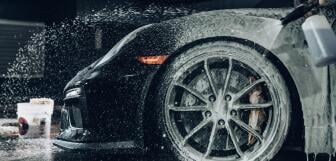
The high-pressure washer is the heart of your car wash equipment. It's what you'll use to remove dirt, grime, and other debris from the exterior of the car.
Specs to consider:
-
PSI: Minimum 1500 PSI
-
GPM (Flow Rate): 2–5+ GPM for efficient rinsing
-
Mobile setups: Prefer compact 2000–3000 PSI units with low water consumption
Self-service bays typically use wall-mounted pressure pumps with multi-gun capability/an adjustable nozzle to suit the type of car being washed, while automatic systems integrate high-pressure arches capable of delivering 2000–4000 PSI for pre-soak and rinse cycles.
2. Foam cannon
A foam cannon is a must-have piece of car wash equipment for your business. It allows you to cover the car in a thick layer of foam that helps break down grime before you start washing. For automatic/tunnel systems, look for tri-foam applicators, top manifolds, and side foam curtain systems.
3. Car wash brushes
A good car wash brush is essential to remove dirt and grime from hard-to-reach areas like wheels and grills. For handwash setups, use soft-bristle or microfiber brushes.
Automatic systems, on the other hand may require:
-
Soft-cloth mitter curtains
-
Top brushes
-
Side brushes
-
Wheel brushes
Always choose materials safe for paint and resistant to heavy commercial use.
4. Buckets and chemical tanks
You'll need a bucket to mix your car wash solution and to rinse your sponge or wash mitt. Look for a bucket with a grit guard to prevent dirt and debris from contaminating your wash mitt or sponge.
Automatic and self-service washes rely more on:
-
Chemical storage tanks (15–50 gallons)
-
Proportioners
-
Metering pumps
-
On-demand chemical injectors
Mobile washes use compact containers and portable tanks.
5. Water hoses and delivery systems
Handwash and mobile car washes will need:
-
25–50 ft hoses
-
Multi-pattern spray nozzles
Automatic and self-service washes use:
-
High-pressure lines
-
Solenoid-controlled valves
-
Pump stands
6. Water filtration systems
A water filtration system is an essential piece of car wash equipment. It removes impurities from the water, ensuring that you have a clean and safe supply of water for washing cars. It also helps to prolong the life of your equipment by preventing mineral buildup.
7. Wheel and tire brushes
Wheels and tires are usually the dirtiest part of the car, so having specialized brushes for them is key. Look for a brush with stiff bristles for removing tough grime and a soft brush for gentle cleaning of rims.
Remember, the exterior of the car is the first thing customers will see, so having the right equipment is crucial for making a good impression. By investing in high-quality equipment, you'll be able to provide better service, increase customer satisfaction, and ultimately drive more business to your car wash!
8. Water Filtration Systems
Critical for every wash type! Hard water creates water spots and wears equipment.
Look for systems rated for commercial flow, such as 2–8 GPM RO units, sediment filters, or full systems that integrate carbon, RO, and UV treatment.
9. Wheel and Tire Brushes
Heavy-duty brushes—either manual or automated—help clean the dirtiest parts of the car. Automatic washes typically include rotating wheel brushes with separate motors and gearboxes.
Automatic/Tunnel Wash Equipment
If you're running an automatic or tunnel wash, you'll rely heavily on automated machinery. The initial setup for this is significant:
Key equipment includes:
-
Conveyor systems (20–200 ft depending on volume)
-
Tunnel controllers for timing and programming
-
High-pressure arches
-
Soft-cloth or brush wash stations
-
Undercarriage sprayers
-
Spot-free rinse arches
-
Drying systems (5–70 horsepower blowers)
Tech specs to look for:
-
Conveyor speed adjustability (20–120 cars/hour)
-
Programmable logic controllers (PLC automation)
-
Variable frequency drives (VFDs) for energy efficiency
-
Blowers with 100–200 mph air velocity
Self-Service Car Wash Bay Equipment
A self-service wash requires durable, coin/card-operated equipment:
-
Coin boxes or self-service POS terminals
-
Rotary switches for wash cycle options
-
Wand assemblies
-
Foam brushes
-
Tire/engine cleaner applicators
-
Triple-foam guns
-
High-pressure rinse systems
Most systems use multi-function pump stands capable of 1000–1500 PSI output.
Mobile Car Wash Equipment
Mobile operators need compact, portable gear:
-
Portable high-pressure washer (2000–3000 PSI)
-
Water tank (50–250 gallons)
-
Mobile generator (2000–3500 watts)
-
Compact foam cannon or foam sprayer
-
Portable vacuum (4–6 HP or 100+ CFM)
-
Water reclaim mat + reclaim vacuum
-
Compact RO/filtration units for spot-free water
Interior car washing equipment needed
Now that you've got the exterior of the car all clean and shiny, it's time to turn your attention to the interior! Here is the interior car washing equipment you'll need:
Vacuum cleaners
A good vacuum cleaner is important for cleaning the interior of the car. Look for a vacuum with strong suction power and attachments for cleaning hard-to-reach areas like under the seats and in the corners.
-
CFM (Cubic Feet Per Minute): Commercial vacuums run 100–200 CFM
-
Tank capacity: 10–20 gallons for wet/dry models
Self-service washes use central vac systems with coin/card operation, while mobile washers rely on portable shop vacs.
Upholstery cleaners
If you're going to clean the interior of the car, you'll need a good upholstery cleaner to remove stains and dirt from the seats and carpet. Look for a cleaner that's safe for use on different materials, including leather and fabric.
Professional upholstery extractors typically deliver:
-
100–120 PSI pump pressure
-
1–2 stage vacuum motors
Glass cleaner
Cleaning the windows and mirrors of the car is an essential part of the interior cleaning process. Look for a glass cleaner that's alcohol-based, streak-free and doesn't leave any residue behind.
4. Air compressor
An air compressor is a versatile piece of equipment that can be used to blow debris out of hard-to-reach areas like air vents and door pockets. It can also be used to inflate tires and blow up pool toys!
Specs:
-
4–10 CFM for interior work
-
20–30+ gallon tanks for shop use
-
1–2 gallon portable compressors for mobile setups
Cleaning towels
Having a good supply of cleaning towels is essential for any car wash company. Look for microfiber towels that are soft and absorbent, and that won't scratch the interior of the car.
Central vacuum systems
Central vacuum systems are becoming increasingly popular in car wash businesses. They are powerful and convenient, and they eliminate the need for a separate vacuum cleaner. With a central vacuum system, you can quickly and easily clean the interior of the car, without having to drag a vacuum cleaner around.
Remember, the interior of the car is where your customers will spend most of their time, so having the right equipment is crucial for providing a great experience.
Drying and detailing equipment
After the car has been washed and the interior has been cleaned, it's time to dry and detail the car. Here are the important drying and detailing equipment you'll need:
1. Air blower
An air blower is a quick and efficient way to dry the exterior of the car. It eliminates the need for towels, which can scratch the paint, and it ensures that the car is completely dry before you start detailing.
Dryers come in many strengths:
-
Handheld blowers: 1–3 HP
-
Tunnel dryers: 5–70 HP blowers delivering high-velocity air
2. Drying towels
If you prefer to use towels to dry the car, look for high-quality microfiber towels that are soft and absorbent. Avoid using old or worn-out towels, as they can scratch the paint and leave behind lint.
3. Detailing brushes
Detailing brushes are small brushes that are used to clean and polish hard-to-reach areas like door jambs and wheels. Look for brushes with soft bristles that won't scratch the paint, and with a comfortable handle that's easy to grip.
4. Polisher
A polisher is a machine that's used to buff and polish the exterior of the car. Look for a dual-action polisher with different speed settings, and with a comfortable handle that's easy to grip.
5. Wax applicator
After the car has been polished, it's time to apply wax. A wax applicator is a small pad that's used to apply wax to the surface of the car. Look for a wax applicator that's soft and easy to use, and that won't scratch the paint.
Remember, the drying and detailing process is the final step in the car washing process, and it's what will make the car look its best. By investing in high-quality drying and detailing equipment, you'll be able to provide a better service, increase customer satisfaction, and ultimately drive more business to your car wash!

Hit top speed with our car wash POS
Use Epos Now’s automatic till system to drive your business success. Our customizable POS system is easy to use and makes sales faster.
Technology
In today's world, technology plays a crucial role in every business, including car washes. Before you tick off any other big items on your list of essential equipment for your car wash business, you’ll need a way to serve and attract customers. Technology can definitely help with this. Here are two essential technological tools that can help your car wash business thrive:
1. Car wash POS
A (point of sale) system car wash POS is a modern-day till or cash register, where you can take sales and much more! Essentially, it’s a tool that can help you manage your car wash business more efficiently. It can help you manage inventory, track sales, and provide great customer service. A good retail point of sale software should include features such as inventory management, reporting, and payment processing. It should also be easy to learn how to use, and be suitable for your specific industry.
2. Car wash advertising tools
Car and truck wash advertising tools can help you reach more customers and increase your business's visibility. There are many different types of car wash advertising tools available, including digital signage, email marketing, social media marketing, and pay-per-click advertising. By using these tools effectively, you can attract more customers and keep your car wash business top of mind.
Top tip: Not to toot our own horn too much, but good POS systems should be able to help you with your advertising too. Epos Now’s car wash POS system is adaptable, with a huge number of customizable apps to help you with everything from accounting to marketing. We also offer portable POS systems so you can sell anywhere on your site or even run a mobile car wash from your pocket! Look for a POS system that can sync up with marketing platforms to get the most out of your tech.
By incorporating these technological tools into your car wash business, you can streamline your operations, improve your customer experience, and increase your profits. So, invest in the right technology, and watch your car wash business grow and succeed.
Water treatment systems
As mentioned in our ‘exterior car washing equipment’ section, water is a crucial resource in the car washing business, but it can also pose problems if not treated properly. Unfiltered water can contain minerals and other impurities that can harm the environment and damage the car's finish.
Remember to look for water treatment systems that are easy to install and maintain, and that can handle the volume of water you'll be using. Here are some water treatment systems that can help ensure that the water you use is clean and safe:
Reverse osmosis systems
Reverse osmosis systems are highly effective at removing impurities from water. These systems use a semi-permeable membrane to filter out impurities, leaving the water clean and safe for use. They are suitable for both residential and commercial settings, and they require minimal maintenance.
Commercial RO units typically produce:
-
2–8 GPM
-
100–1000 gallons/day
Deionization systems
Deionization systems work by passing water through a resin bed that removes impurities such as ions and minerals. These systems are efficient at removing contaminants, but they require more maintenance than reverse osmosis systems. They are a great option for those who want to remove minerals and other impurities.
Carbon filters
Carbon filters use activated carbon to remove impurities from water. They are suitable for removing chlorine, sediment, and other contaminants, but they are not as efficient as reverse osmosis or deionization systems. Carbon filters are easy to install and maintain and are often used in combination with other types of water treatment systems.
UV disinfection systems
UV disinfection systems use ultraviolet light to kill bacteria and other microorganisms in water. They are effective at removing harmful contaminants, but they do not remove minerals or other impurities. UV disinfection systems are easy to install and maintain and are often used in combination with other types of water treatment systems.
By investing in a water treatment system, you can ensure that the water you use to wash and detail cars is clean and safe for the environment. This not only protects the car's finish but also protects the health and safety of your customers and employees. So, choose the right water treatment system for your car wash business to provide the best service possible!
Water Reclaim Systems
These are essential for eco-friendly car washes and required in many regions, but they also make great financial sense! Reusing water in your car wash lowers your expenses massively, reducing your water bill by as much as 80%! Water reclaim systems really are a no-brainer!
Typical specs:
-
100–500+ gallons of reclaim storage
-
Multi-stage filtration (clarifiers, ozone, cyclonic separation)
Maintenance equipment
Running a car wash business requires regular maintenance to keep the equipment in good condition. Here are some essential maintenance equipment items that can help you keep your car wash running smoothly:
1. Pressure washers
Pressure washers are essential for cleaning the car wash bays, equipment, and surrounding areas. They are versatile and can be used to remove dirt, grime, and other debris from hard-to-reach areas. Choose a pressure washer with the right PSI (pounds per square inch) and GPM (gallons per minute) rating for your specific needs.
2. Air compressors
Air compressors are used to power pneumatic tools and equipment, such as tire inflators, air guns, and air blowers. They are essential for cleaning hard-to-reach areas and for maintaining the equipment. Choose an air compressor with the right CFM (cubic feet per minute) rating for your specific needs, anything between 4-10.
3. Grease guns
Grease guns are used to lubricate moving parts, such as bearings, gears, and joints, to ensure that they operate smoothly and efficiently. They are essential for maintaining the equipment and extending its lifespan. Choose a grease gun with the right size and type of grease fitting for your specific needs.
4. Floor scrubbers
Floor scrubbers are essential for keeping the car wash bays clean and safe. They are designed to scrub and clean floors, removing dirt, oil, and other debris that can pose a slip hazard. Choose a floor scrubber with the right size and type of brushes for your specific needs.
5. Oil extractor
An oil extractor is a tool that allows you to quickly and easily remove old oil from your car wash's machinery without making a mess. It can help you perform regular maintenance tasks and extend the life of your equipment.
6. Bucket heater
A bucket heater is a convenient tool for heating water or cleaning solutions in a bucket or tank. It can be used to warm up water for a pre-wash or to heat up a cleaning solution for tough stains or buildup.
By investing in the right maintenance equipment, you can ensure that your car wash business runs smoothly and efficiently. Regular maintenance not only extends the lifespan of your equipment but also improves the customer experience. So, choose the right equipment and keep your car wash business shining like new!
10 tips for finding and installing car wash equipment
As a car wash owner, investing in equipment can be a daunting task. However, it's essential to ensure the success of your car wash business. Here are ten tips to help you find and install the right car wash equipment:
1. Research, research, research!
First and foremost, it's all about research. Think of it like a car wash scavenger hunt - you want to hunt down the best equipment out there! Start by diving deep into the types of equipment available and their pros and cons. Don't be afraid to get specific about what you need and take notes. This is an essential step in ensuring that you choose the right equipment that will help your car wash business flourish.
2. Determine your budget
Next up it's time to think about the budget. It's important to find equipment that fits within your budget, but that doesn't mean you have to skimp on quality. For instance, if you're in the market for an oil extractor, consider both the upfront cost and the long-term cost of maintenance. It might be tempting to go for a cheaper option, but if it breaks down frequently and requires costly repairs, it might end up being more expensive in the long run.
3. Consider your business's size and location
The size and location of your car wash will determine the type and amount of equipment you need. It's important to find a balance between the size of your car wash and the type of equipment you need.
For example, if you're running a small-scale car and truck wash, don't invest in large and complex equipment. On the other hand, if you run a larger and busier car wash, then investing in more advanced equipment could be beneficial.
4. Look for quality and durability
When shopping for car wash equipment, it's important to look for quality and durability. This means looking at the manufacturer, researching customer reviews, and even visiting a showroom if possible.
For example, if you're interested in a pressure washer, test it out and make sure it has the power to handle your car wash's needs. Or, if you're looking for some detailing equipment, make sure the products are durable and won't wear out quickly.
5. Consider the installation process
Installing car wash equipment can be complex and tricky. It's important to make sure that the installation process is done correctly, as faulty installation can cause a lot of problems down the line. You’ll also need to factor in the time needed for this if you’re doing it yourself.
If you're uncomfortable with the process, consider hiring a professional installer who knows all about car wash equipment and the associated wiring. This will ensure that your equipment is installed correctly and will save you a lot of time, headaches, and money.
6. Choose equipment that is easy to maintain
When investing in car wash equipment, it's important to consider the maintenance required. Look for equipment with easy-to-understand instructions and user manuals that make maintenance simple. Look at reviews of equipment to see what the most common faults are, and if you’re comfortable with fixing them. This will help save you time, energy, and money over the long term.
7. Consider the warranty and customer support
It's always a good idea to look for equipment that comes with a good warranty and customer support. This will help protect your investment and give you peace of mind knowing that you can get help if something goes wrong.
For example, many car wash equipment manufacturers offer a two-year warranty and some even offer extended warranties. Additionally, read up on customer support options to ensure that you're getting the best possible service if something goes wrong.
8. Don't forget about safety features
Car wash equipment can be dangerous if not handled correctly, so it's important to make sure that all of your equipment is up to date with the latest safety regulations.
Look for car wash equipment that comes equipped with emergency shut-off switches and that has been tested for safe operation.
9. Search for energy-efficient equipment
Finally, it's wise to invest in energy-efficient car wash equipment. This will help you save money on your electricity bill in the long-run and can also reduce your carbon footprint.
Look for equipment that is specially designed to conserve resources such as water and electricity. Also, see if the manufacturer offers any incentives or rebates for purchasing energy-efficient equipment.
10. Don't rush the installation process
Take the time to install your new equipment to ensure it works properly and safely. Some tips to consider when installing car wash equipment is to:
- Double-check all wiring,
- Properly grounding the equipment
- Testing the system before first commercial use
- Teaching others how to use the equipment safely
- Storing your equipment securely
- Setting up a regular maintenance schedule to keep it running in top condition
By taking the time to do things right, you can avoid costly repairs in the future.
We hope if you follow these ten tips, you can find and install the right car wash equipment for your business and get your business off to a great start!
Car Wash Equipment Costs & Budget Planning
Let’s talk numbers! Here’s what you can expect when budgeting for different car wash types.
Handwash Car Wash
Startup equipment cost:
-
New: $5,000–$25,000
-
Used: $2,500–$10,000
Low overhead, but labor-intensive. Better for a new business on a low budget.
Mobile Car Wash
Startup equipment cost:
-
New: $3,000–$15,000
-
Used: $1,500–$7,000
Includes pressure washer, generator, tanks, vacuums, and chemicals.
Self-Service Car Wash (1–2 bays)
Startup equipment cost:
-
New: $40,000–$150,000
-
Used: $15,000–$80,000
Costs vary based on pump stands, POS, vacuums, and bay construction.
Automatic / Tunnel Car Wash
Startup equipment cost:
-
New: $150,000–$500,000+
-
Used: $70,000–$250,000
Tunnel length, conveyor size, and dryer horsepower affect pricing most.
Financing Options
Most owners use:
-
Equipment loans (3–7 years)
-
SBA loans
-
Lease-to-own programs
-
Vendor financing
-
Lines of credit
Typical rates range from 6–12% depending on credit and collateral.
Drive your car wash business to success with the right equipment!
Congratulations, you made it through the ultimate checklist for success in car wash equipment! With all the features and accessories available for modern car washes, it can be easy to get caught up in the wash cycle and forget about the big picture. However, by taking the time to research and invest in the right equipment, you can set your car wash business up for success.
Remember, it's not just about having the latest and greatest gadgets, but also about having the right equipment to keep your customers happy and your business running smoothly. From the exterior and interior car washing equipment to the drying and detailing equipment, every tool plays a crucial role in creating a positive customer experience.
But it's not just about the equipment - don't forget about the importance of technology in running a successful car wash business. Car wash retail POS systems and advertising tools can help you streamline operations and attract new customers.
In the end, the success of your car wash business comes down to finding the right equipment and using it effectively. By following the tips outlined in this guide and staying up-to-date on the latest trends and technologies, you can ensure that your car wash business thrives for years to come. So get out there and start researching - the perfect equipment for your modern car wash awaits!
For more information on running your car wash business, check out our helpful resources below:
Frequently asked questions
- What equipment do I need to start a car wash?
-
You’ll need pressure washers, vacuums, towels, brushes, chemicals, and water treatment systems. Automatic and self-service washes require specialized equipment like conveyors, controllers, foamers, and dryers. Mobile setups need portable units and tanks. Your exact list depends on the type of wash you plan to run.
- How much does car wash equipment cost?
-
Costs vary widely: mobile setups start around $3,000, handwash operations around $5,000, self-service systems at $40,000+, and automatic or tunnel systems from $150,000 to over $500,000. You can save with used equipment or explore financing options to reduce upfront expenses.
- What PSI pressure washer do I need?
-
A minimum of 1500 PSI works for basic washing, but most commercial operations use 2000–3000 PSI units. Higher PSI doesn’t always mean better cleaning—GPM matters too. Automatic systems use high-pressure arches, not handheld units, and are rated from 400–1000 PSI.
- Do I need a water reclaim system?
-
Many regions require reclaim systems for environmental compliance. They reduce fresh water consumption by up to 80% and lower utility bills. While not always mandatory for mobile setups, they’re recommended for fixed locations—especially automatic and self-service car washes.
- What type of car wash is most profitable?
-
Just as the startup costs vary wildly, the potential for profit changes based on what kind of car wash you're offering. Automated car washes have little to no labor costs, and offer a premium service at speed, boosting the profit on each sale. While handwashes may offer excellent attention to detail, they also require significant labor costs.
- What's the difference between automatic and self-service car washes?
-
Automatic car washes use mechanization to wash cars without the need for human input (they may require the car to drive forwards or backwards). Meanwhile, self-service car washes allow car owners to clean the cars themselves, providing the equipment and water.
- What's the best POS system for car wash?
-
Every business needs to determine what POS system will work best for them with different needs and structures. If you're looking for a portable system, the Pro+ offers an all-in-one POS and payment processor perfect for on-the-go car washing.
On the other hand, Epos Now also offers a fixed terminal system, the Complete Solution, designed for car washes like yours, equipped with adaptable POS software and an AppStore backed with popular business programs!
Ready to take your car wash business to the next level? Talk to our experts about our state-of-the-art car wash POS system. Discover how it can help you manage your operations more efficiently and boost your profits. Contact us now to learn more!