What is EBT and why should your business accept it?



Every month, tens of millions of Americans rely on a small plastic card to put food on the table. If your business can't accept it, you're not just missing a payment method but closing your doors to a huge, steady stream of customers who have no choice but to shop elsewhere.
That card is EBT: Electronic Benefit Transfer. It's how the US government delivers food assistance to low-income households, and for many of those households, it's not a "nice to have" payment option: it's the only way they can buy groceries. As of May 2026, roughly 36.6 million Americans were receiving SNAP benefits, and the program cost $101.7 billion in federal funding in FY 2025 alone. That's tens of billions of dollars moving through grocery stores, convenience stores, and farmers' markets across the country every single year. If your till isn't set up to take it, that spending is going straight to your competitors.
Beyond the pure revenue opportunity, accepting EBT sends a message: that your business is accessible, inclusive, and built to serve everyone in your community, not just customers who happen to have a debit card from a mainstream bank.
So today, we’re talking all things EBT. We’ll cover:
-
What is electronic benefit transfer?
-
Definitions of EBT, SNAP, and other key terms
-
How does EBT work?
-
What can EBT be used for?
-
How your business can accept EBT
-
Tips for accepting EBT payments
Know the answers to the above questions, learn the tips and tricks, and those customers relying on EBT will soon know they can come to you for quick and easy sales. So, let’s get learning!
What is electronic benefit transfer?
EBT is the benefit system the US uses to deliver government assistance benefits, most commonly through the Supplemental Nutrition Assistance Program (or SNAP). Functionally, it works like a debit card: a digital system for delivering government assistance via a card-based platform, loaded with funds each month that recipients spend at checkout.
It wasn't always this way. Before EBT, government benefit programs primarily relied on paper-based methods, most famously the color-coded paper "food stamps" that gave the program its old nickname. These paper systems were logistically complex to print, distribute, and process, and were more vulnerable to fraud, theft, and counterfeiting. The shift to EBT phased out those paper coupons entirely, with EBT becoming the sole method of SNAP issuance across all states since June 2004.
The numbers show how central EBT now is to the US food economy. SNAP served an average of 42.1 million participants per month in 2025, and the switch to EBT itself measurably increased program participation, partly by removing the stigma associated with paper stamps.
Definitions of EBT, SNAP, and other key terms
If you start accepting EBT, you’ll likely encounter a few new terms you may not be familiar with. So, to keep things clear throughout this process, here are the most common benefit types and terms for you to remember:
-
EBT (Electronic Benefit Transfer). This is the delivery mechanism for benefits, not a benefit itself. It's the electronic system and the card/technology used to distribute several different government benefit programs.
-
SNAP (Supplemental Nutrition Assistance Program). This is the actual food benefit program that replaced the Food Stamp Program in 2004. It's the most common support that EBT will provide, but it's one of two types of benefits provided via EBT.
-
TANF (Temporary Assistance for Needy Families). A cash assistance program (not just used for food) also paid into the same EBT cards Americans can use, alongside state general assistance and refugee benefits, distinct from the food balance.
-
WIC (Special Supplemental Nutrition Program for Women, Infants, and Children). A separate nutrition program for pregnant women and young children, also distributed via EBT, though WIC cards work a bit differently; they must be used on specific, relevant items rather than as a general food balance.
-
FNS (Food and Nutrition Service). This is the USDA agency that actually administers SNAP and authorizes retailers to accept it. This is the body your business applies to if you want to begin accepting EBT.
How does EBT work?
Each month, the government supplies eligible households with a basic income so they are able to eat in times of economic difficulty. These funds are transferred onto their EBT card automatically on a rolling basis every month once the household or individual has been approved. Amounts are based on the household size and total net income. In 2026, a family of four can receive up to $994/month if they have no income at all, with the average benefit running around $188 per person. Crucially, these food funds can't be withdrawn as cash and can only go toward eligible groceries, which ensures they are spent as intended.
Spending it is simple for the customer: all they need to do is swipe or insert their card at checkout and enter a PIN, no differently from any other form of payment card. For you as a business, there are a few extra steps to complete before you can accept the card. You must be authorized by the USDA's Food and Nutrition Service (FNS) and hold a valid FNS number before processing even one EBT transaction; taking EBT without authorization carries serious legal risk, so make sure you avoid doing so until you have your FNS number. Once authorized, your point-of-sale system also needs EBT-specific programming from a certified processor before you can actually ring up SNAP sales. Epos Now POS systems are a great example of an EBT-ready payment system.
What can EBT be used for?
-
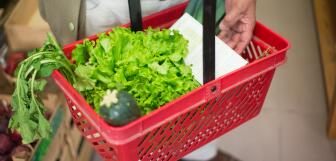
Groceries for home preparation. This is the primary use for EBT. Fruits, vegetables, meat, dairy, bread, cereals, and packaged snacks are all eligible; the rule here is that any items bought must bear a Nutrition Facts label.
-
Seeds and food-producing plants. Not everyone will know this, but EBT can be used to purchase vegetable and herb seeds, seedlings, and fruit plants. These all qualify as they support home gardening, a great way of producing low-budget nutritious foods.
-
Farmers markets and online grocery orders. SNAP now works at many farmers markets (some of which even allow SNAP recipients to purchase double the value of produce). SNAP also works through major online retailers like Walmart and Amazon Fresh in all 50 states, though delivery fees aren't covered.
-
Hot, ready-to-eat food (with exceptions). Federal rules generally block hot deli or restaurant-style food, but the Restaurant Meals Program lets elderly, disabled, or homeless recipients use EBT at participating restaurants in select states, including Arizona, California, and New York. So those in the hospitality industry can benefit from accepting EBT, too.
State differences often matter here. By federal default, items like candy, soda, and chips are just as eligible as broccoli; the program doesn't necessarily police the nutritional value of what the money is spent on. But that's changing: several states have won USDA waivers to exclude "non-nutritious" items. Indiana banned soft drinks and candy from SNAP purchases in January 2026, and Florida excluded soda, energy drinks, candy, and prepared desserts. Roughly 18 states are expected to introduce similar restrictions during 2026, so do local research to ensure you know EBT rules that apply to your business before you start selling.
How your business can accept EBT
Before you can process a single EBT transaction, you need federal authorization. SNAP retailer approval is handled exclusively by the USDA's Food and Nutrition Service (FNS), and no third party can grant authorization. Applying is free, and to register for an account you’ll need to complete form FNS-252, which asks for details on your store type, ownership, and stocked inventory, as well as supporting documents such as a business license and proof of ownership.
Your store must also meet minimum stocking requirements across staple food categories (showing that you’re selling enough food that EBT covers), and the FNS can conduct an unannounced site visit to verify what's on your shelves. Once submitted, the FNS has up to 45 days to issue a decision (so get your application in at least six weeks before you plan to take your first EBT payment). If approved, you'll receive a SNAP Permit and a unique 7-digit FNS number, which you’ll need to look after, as you'll need it for the future, including when you want reauthorization.
Here's the catch: authorization alone doesn't let you take payments. It only grants the legal right to accept EBT. You still need EBT-capable POS equipment and a processing agreement with a certified processor before your FNS number can actually go live at the till.
This is where most businesses hit friction. Many EBT solutions run as a bolted-on, separate system from your main POS. This winds up looking like a second terminal tucked away in a corner, with separate logins and extra steps for the cashier to follow, slowing down your checkout and making the sale awkward and clunky for your customer. It can also result in inaccurate stock and reporting figures as sales are being processed separately from your main POS.
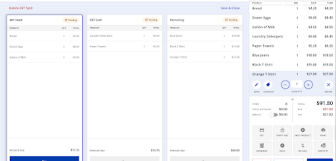
Thankfully, POS and payment providers like Epos Now have tools that remove that split entirely. Rather than treating EBT as an add-on, it's built directly into the same checkout your team already uses, with no second system, no manual working out of what a customer can and can't pay for with SNAP.
What Epos Now EBT does
-
Accepts SNAP and EBT Cash directly inside the Epos Now checkout, alongside your usual payment methods, rather than separately
-
Automatically flags product eligibility, so the till already knows what qualifies before your cashier has to think about it
-
Splits mixed baskets between EBT-eligible and non-EBT items in the same transaction, keeping the sale smooth, organized, and error-free
-
Maximizes available benefits, working out what an EBT balance can cover when it doesn't stretch to the whole basket, with minimal item shuffling
-
Runs alongside your existing barcode scanning, stock control, age verification, promotions, and reporting: one connected system, one payments relationship
What an EBT sale looks like in practice
A customer selects SNAP, EBT Cash, or both, and Epos Now takes it from there:
-
SNAP checkout: the system identifies SNAP-eligible items, separates them from anything requiring another payment method, applies the correct SNAP tax rate, processes the SNAP portion, then automatically routes any remaining items into the next payment step, all while keeping clean, separate transaction records.
-
EBT Cash checkout: works independently from SNAP eligibility, applying the right tax treatment and shifting anything not covered into a traditional payment flow.
-
Combined baskets: for a shop that mixes SNAP items, EBT Cash items, and regular goods, Epos Now organizes the whole transaction across SNAP → EBT Cash → traditional payment automatically. No cashier judgment calls will ever be required.
All in all, Epos Now’s system provides a simple EBT checkout, made smarter by clever POS tools, staying fully compliant, and avoiding any operational headaches.
Tips for accepting EBT payments
-
Make your EBT acceptance visible. Display signage at your entrance and checkout clearly showing you accept SNAP/EBT. Many customers won't ask, either assuming you don’t or not wanting to ask. They'll simply walk on if they can't see it advertised.
-
Train staff on the basics. Cashiers should understand what's SNAP-eligible versus not, and how to handle mixed baskets, so EBT customers get the same quick, frictionless experience as anyone else, and cashiers can oversee each sale with confidence.
-
Simplify your checkout with the right tech. With Epos Now's Smart EBT app, eligibility checks and basket-splitting happen automatically, so staff aren't manually working out what qualifies for which payment method mid-queue.
-
Keep separate, accurate records. SNAP and EBT Cash transactions need clean audit trails for compliance and reconciliation. Epos Now maintains these automatically alongside your standard sales reporting. Otherwise, you’ll need to handle this yourself.
-
Stay on top of reauthorization. FNS numbers require periodic renewal; missing a reauthorization letter can suspend your ability to accept EBT altogether.
-
Watch state-level rule changes. With more states introducing item restrictions, keep your product eligibility settings updated to stay compliant and avoid critical errors.
EBT: a must-have for any eligible business
EBT isn't just a payment method; it's a critical safety net for those who use it. But it’s also a very real revenue opportunity that you shouldn't overlook. EBT, SNAP, TANF, and WIC are all benefit sources that users take to businesses and spend, with some businesses taking a significant portion of their sales through these channels. The legal steps to start accepting can take many weeks, but once you’re up and running, the technical side doesn't have to be a headache. With the right system, EBT can slot straight into your existing checkout rather than running as a clunky, separate process.
Ready to start accepting EBT the smart way? Sign up to Epos Now's Smart EBT app.
Frequently asked questions
- What is EBT in America?
-
EBT (Electronic Benefit Transfer) is the electronic system the US government uses to deliver benefits like SNAP food assistance and TANF cash assistance. It replaced paper food stamps in 2004, loading benefits onto a card that works like a debit card at authorized retailers across the whole nation.
- How much do Americans get for food stamps?
-
SNAP benefits vary by household size and income. In 2026, a family of four with no income can receive up to $994/month, but the national average is around $188 per person monthly. Most households receive less than the maximum.
- Can you buy McDonald's with EBT?
-
Generally no. SNAP can't be used for hot, ready-to-eat food. The exception is the Restaurant Meals Program, available in select states like Arizona and California, letting elderly, disabled, or homeless recipients buy prepared meals at participating restaurants, which sometimes includes chains like McDonald's.
- What can't you buy with EBT?
-
SNAP excludes alcohol, tobacco, hot prepared foods (in most cases), vitamins/supplements, pet food, and non-food household items. Some states now also restrict candy, soda, and energy drinks under new USDA waivers; Indiana and Florida are recent examples, with more states following through 2026.
- What is an EBT scheme?
-
"EBT scheme" typically refers to the broader Electronic Benefit Transfer system itself, the government infrastructure and card technology used across US states to distribute food and cash assistance programs like SNAP and TANF to eligible households each month.
- What is the difference between EBIT and EBT?
-
These are two very different acronyms from the accounting sector, not to be confused with Electronic Benefit Transfer (EBT). EBIT (Earnings Before Interest and Taxes) and EBT (Earnings Before Tax) are accounting terms measuring company profitability, unrelated to the US benefit system we’re looking at in this blog.