
Kitchen Staff Duties and Responsibilities



Are you ready to dish out some fresh kitchen knowledge? Whether you're a seasoned chef or a newbie cook, it's important to know what's cooking in the world of kitchen staff responsibilities. After all, a well-oiled kitchen staff can make or break any catering company or restaurant.
Professional kitchens rely on structured teams where everyone has specific skills and responsibilities, each set of hands working quickly and efficiently on the tasks they excel at to create fabulous dishes of the highest quality every single time. But for that to happen, it requires a lot more than skill; it requires extreme organization!
So, what exactly does a kitchen staff job description look like? In this blog post, we'll delve into the nitty-gritty details of what it takes to be a member of the kitchen staff, including the various roles and responsibilities, required skills, and essential qualities. We'll even provide some examples of job descriptions for specific kitchen roles.
Kitchen staff job description:
If you're thinking of joining the kitchen staff, here are some of the key job responsibilities and skills you'll need to have:
Responsibilities:
- Preparing ingredients and cooking dishes according to recipes.
- Ensuring that food is prepared and cooked to the correct specifications.
- Following food safety procedures to prevent cross-contamination and food-borne illnesses.
- Keeping the kitchen clean and organized.
- Communicating with the rest of the kitchen staff to ensure that dishes are prepared and cooked in a timely manner.
- Operating and maintaining cooking equipment, such as ovens, stovetops, and grills.
- Assisting with inventory management and ordering supplies as needed.
- Adhering to health and safety regulations.
Key skills:
Working as part of a kitchen staff can be demanding, but also incredibly rewarding. Whether you're working in a fast-paced restaurant or catering company, it's important to have a range of skills that can help you excel in the kitchen. Here are some of the key skills you'll need:
Hard skills:
- Food preparation: As a member of the kitchen staff, you will be responsible for preparing ingredients and dishes to the highest standards. This includes basic food prep skills such as chopping, measuring, and mixing, as well as more complex techniques like cooking meats and seafood to perfection.
- Knowledge of kitchen equipment: You'll need to be comfortable using a range of kitchen equipment, from stovetops and ovens to knives and cutting boards. Knowing how to properly operate and care for this equipment is key to working efficiently and safely in the kitchen.
- Ability to work in a fast-paced environment: Kitchens can be busy and hectic places, especially during peak hours. The ability to work quickly and efficiently under pressure is essential.
- Food safety regulations: Understanding and adhering to food safety regulations is crucial to ensuring that meals are safe and free from contamination.
- Meal presentation: A dish that looks and smells great is just as important as one that tastes great. You'll need to have an eye for detail and be able to create beautiful, appetizing dishes that are as visually appealing as they are delicious.
- Basic math skills: Measuring ingredients and scaling recipes requires basic math skills, so it's important to be comfortable with numbers and fractions.
Soft skills:
- Teamwork: As a member of the kitchen staff, you'll be working closely with other cooks, chefs, and dishwashers to create meals that delight customers. The ability to communicate effectively and work collaboratively is key to a successful kitchen.
- Positive attitude: Kitchens can be stressful environments, but maintaining a positive attitude can help keep morale high and make the workday more enjoyable.
- Attention to detail: In a kitchen, small mistakes can have big consequences. The ability to pay close attention to detail is essential to ensuring that dishes are prepared and cooked to perfection.
- Flexibility: The ability to adapt to changing circumstances is important in any job, but especially in a kitchen where unexpected situations can arise at any moment.
- Willingness to learn: Whether it's learning a new recipe or mastering a new cooking technique, being open to learning is key to growing as a member of the kitchen staff.
As you can see, working as a member of a kitchen staff requires a wide range of skills, both hard and soft. By developing and honing these skills, you can become a valuable member of any kitchen team.
How Kitchen Staff Work Together During Service
1. Prep Stage (Before Service Begins)
Before service starts, the head chef or sous chef typically leads the setup process by assigning and adjusting prep tasks based on the day's menu and expected customer volume, ensuring everyone has what they need to get all sections of the kitchen fully stocked and prepped before orders begin coming in.
Kitchen porters support the setup by cleaning workstations, sanitizing equipment, restocking supplies, and making sure cookware, utensils, and ingredients are readily available.
Meanwhile, prep cooks and line cooks work together to prepare ingredients for the shift ahead. This means that once orders come in, no time is wasted chopping vegetables, portioning meats, preparing sauces, or organizing ingredients, because they're already at each cooking station. All they'll need to do later is grab what they need and start cooking!
2. Service Stage (During Peak Hours)
During service, orders are sent from the front-of-house team taking the orders directly to the kitchen, either through printed tickets or a kitchen display system. The sous chef plays a key role in managing timing and workflow during busy periods. They communicate with line cooks, monitor ticket times, and ensure that different stations work together so dishes for the same table are completed and plated at the same time.
Meanwhile, the head chef or executive chef oversees quality control by checking presentation, portion sizes, and consistency at the kitchen pass before meals leave the kitchen. In high-pressure situations, amid all the acitivity, clear and direct communication between chefs, cooks, and kitchen porters is essential to avoid delays, mistakes, and food waste.
3. Closing / Post-Service Stage
Once service ends, the kitchen staff begins the closing process by cleaning cooking stations, washing equipment, sanitizing surfaces, and disposing of waste properly. Kitchen porters typically lead much of the deep cleaning, while cooks clean and organize their own stations and equipment (they often have their own preferences!).
Staff also complete stock checks and restock ingredients to prepare for the next shift. This may involve labeling food, storing ingredients, and notifying managers about low inventory or supply shortages. Before leaving, chefs typically inspect the kitchen to ensure everything has been reset correctly for the following service.
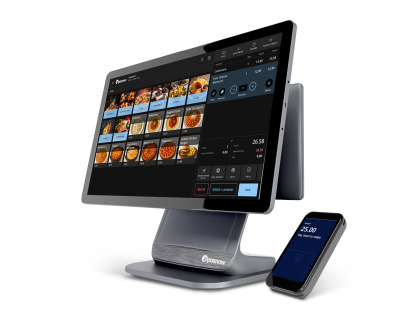
Hospitality POS System
On-site dining, takeaway, or delivery? You choose. Adapt and thrive with a POS system that makes it all possible.
Exploring the key roles in a kitchen staff
A successful kitchen staff is like a well-oiled machine, with each member playing a critical role in creating delicious meals and maintaining a clean and efficient kitchen environment. If you're interested in a job in the food industry, it's important to understand the different roles that make up a kitchen staff job description. Here are some of the key roles you may encounter in a kitchen (although you may find for smaller businesses, these roles sometimes merge or overlap):
Leadership (Head Chef, Sous Chef)
Here are some of the leadership roles and responsibilities you'll see in professional kitchens.
1. Kitchen manager responsibilities:
As the captain of the ship, the kitchen manager is responsible for the smooth and efficient operation of the kitchen. When writing a kitchen staff job description for this role you should include:
- Overseeing the kitchen staff, including hiring, training, and managing employee schedules.
- Ensuring that all kitchen operations comply with food safety regulations and standards.
- Managing inventory, including ordering supplies and monitoring kitchen equipment and appliances to ensure they are in good working order.
- Developing and managing budgets for the kitchen.
- Collaborating with the head cook or executive chef to develop menus, plan specials, and manage food costs.
- Handling any issues that may arise in the kitchen, including customer complaints, staff conflicts, and equipment malfunctions.
- Maintaining high standards for meal presentation, including ensuring that all dishes are prepared to the highest quality and presentation standards.
- Communicating effectively with staff, management, and customers to ensure a positive and efficient kitchen environment.
2. Head cook/executive chef job description:
As the mastermind behind the menu, the head cook or executive chef plays a critical role in the kitchen. They don't just cook food, they masterfully create dishes. When writing a kitchen staff job description for this role you should include:
- Creating and managing the menu, including developing new dishes, adjusting existing ones, and ensuring that all items are prepared to the highest standards.
- Managing the kitchen staff, including hiring, training, and managing employee schedules.
- Ensuring that all kitchen operations comply with food safety regulations and standards.
- Managing inventory, including ordering supplies and monitoring kitchen equipment and appliances to ensure they are in good working order.
- Collaborating with the kitchen manager to develop budgets, plan specials, and manage food costs.
- Overseeing food preparation, including ensuring that all dishes are prepared to the highest quality and presentation standards.
- Maintaining a clean and organized kitchen environment, including managing cleaning duties and ensuring that all floors, equipment, and surfaces are clean and well-maintained.
- Staying up-to-date on food trends and industry developments, including attending conferences, workshops, and other industry events.
3. Sous chef job description:
You've probably heard the term, but what is a sous chef? Well, a sous chef is the right-hand person of the head cook or executive chef, playing a critical role in ensuring that the kitchen operates smoothly. When writing a kitchen staff job description for this role you should include:
- Assisting in the development and management of the menu, including developing new dishes, adjusting existing ones, and ensuring that all items are prepared to the highest standards.
- Overseeing kitchen staff, including scheduling, training, and managing employees to ensure optimal performance.
- Ensuring that all kitchen operations comply with food safety regulations and standards.
- Managing inventory, including ordering supplies and monitoring kitchen equipment and appliances to ensure they are in good working order.
- Collaborating with the head cook or executive chef to develop budgets, plan specials, and manage food costs.
- Overseeing food preparation, including ensuring that all dishes are prepared to the highest quality and presentation standards.
- Supervising and assisting with cleaning duties, including ensuring that all floors, equipment, and surfaces are clean and well-maintained.
- Assisting with staying up-to-date on food trends and industry developments, including attending conferences, workshops, and other industry events.
Prodution (Line cook, prep cook)
Here are the artists that make the meals the diners enjoy.
4. Line cook job responsibilities:
Line cooks are an essential part of any kitchen team and are responsible for preparing dishes according to the recipes provided by the head cook or executive chef. When writing a kitchen staff job description for this role you should include:
- Preparing ingredients, including chopping vegetables, cutting meat, and measuring out spices and seasonings.
- Operating cooking equipment, including grills, ovens, and stovetops, to cook and prepare dishes to the required standard.
- Following recipes and food preparation instructions provided by the head cook or executive chef to ensure consistency and quality.
- Ensuring that all dishes are prepared to the highest standards and are ready to be served on time.
- Collaborating with other kitchen staff to coordinate timing and ensure that all dishes are served together and at the right temperature.
- Adhering to all food safety regulations and standards to ensure that all dishes are prepared safely and hygienically.
- Assisting with cleaning duties, including ensuring that all work surfaces and equipment are clean and well-maintained.
5. Prep cook responsibilities:
Prep cooks are the behind-the-scenes heroes of the kitchen, responsible for preparing ingredients for the line cooks to work their magic on. When writing a kitchen staff job description for this role you should include:
- Assists in preparing ingredients for the dishes to be served
- Chops and peels vegetables, fruits, and meats as necessary
- Measures and weighs ingredients to ensure accuracy in recipes
- Prepares sauces, marinades, and dressings
- Cleans and sanitizes work areas and equipment, including knives and cutting boards
- Ensures that all ingredients are properly stored to maintain freshness and quality
- Assists line cooks and other kitchen staff as needed
- Follows food safety regulations and procedures to prevent contamination and foodborne illnesses
- Works in a fast-paced environment, often under pressure to meet deadlines
Support (Dishwasher, Kitchen porter)
Finally, the workhorses getting the hard tasks done that make everything else possible.
6. Dishwasher responsibilities:
The dishwasher is like the unsung hero of the kitchen, ensuring that all dishes, utensils, and cooking equipment are cleaned and sanitized to prevent food contamination. When writing a kitchen staff job description for this role you should include:
- Operating and maintaining the dishwashing equipment to ensure efficient and effective cleaning
- Sorting and stacking dishes, utensils, and cooking equipment for washing
- Hand-washing delicate items that cannot go in the dishwasher
- Ensuring that all dishes and utensils are properly cleaned and sanitized before they are used again
- Cleaning the kitchen and dining areas, including mopping floors, wiping down surfaces, and taking out the trash
- Assisting with basic food preparation tasks as needed, such as chopping vegetables or preparing garnishes
- Maintaining a clean and organized work area to ensure that everything is easily accessible and ready for use.
7. Kitchen porter responsibilities:
Kitchen porters are the secret heroes flying about behind the scenes, playing a vital support role keeping the many cogs of the kitchen turning efficiently throughout service. Although often an entry-level position, kitchen porters are essential to maintaining workflow and helping chefs operate without delays. When writing a kitchen staff job description for this role you should include:
- Cleaning kitchen surfaces, equipment, storage areas, and floors to maintain hygiene standards throughout service
- Operating dishwashing equipment and managing the flow of dirty dishes, cookware, and utensils to make sure chefs always have clean equipment available to them
- Collecting, organizing, and restocking kitchen supplies, ingredients, and deliveries to keep stations fully prepared at mealtimes
- Supporting chefs and cooks with basic prep tasks, ingredient movement, and quick cleanups during peak service hours
- Removing waste, disposing of rubbish safely, and helping keep a clean and hazard-free kitchen environment
- Ensuring that all cleaning and sanitation procedures are followed
- Assisting with end-of-service cleaning duties and helping reset the kitchen at the end of each shift
All members of the kitchen staff must have excellent food preparation and handling skills, knowledge of cooking equipment, and the ability to work efficiently in a fast-paced environment. Cleaning duties are also a significant part of the job, so all food preparation workers must be comfortable with taking on these responsibilities as well. We hope these kitchen staff job descriptions are helpful when developing your own!
Hygiene and Food Safety Responsibilities
No matter their role, all kitchen staff are responsible for maintaining strict hygiene and food safety standards to ensure a safe and compliant working environment. In all the focus on specific roles, this isn't something any kitchen manager can afford to forget. These responsibilities include:
- Following food hygiene and cleaning procedures consistently, including scheduled cleaning of stations, equipment, and food preparation areas
- Ensuring safe food storage practices, including checking and maintenance of correct shelf, fridge and freezer temperatures, proper labelling, and stock rotation to maintain freshness and prevent waste
- Preventing cross-contamination by separating raw and cooked foods and using clean, sanitised equipment at all times
- Maintaining personal hygiene standards and reporting any safety hazards, contamination risks, or equipment issues immediately
How can a POS help your kitchen staff?
A POS (point-of-sale) system is a vital tool in any restaurant or hospitality business. It not only helps with front-of-house operations like taking orders and processing payments, but it can also be a huge asset in the kitchen. Here are some ways a POS system can help kitchen staff:
- Streamline orders: With a hospitality point of sale, orders are sent directly to the kitchen, reducing the need for paper tickets and manual communication. This can help eliminate errors and improve efficiency.
- Inventory management: A POS system can help track inventory levels and automatically generate orders for necessary supplies. This can save kitchen staff time and ensure that necessary ingredients are always in stock.
- Recipe management: A good restaurant POS system can help manage recipes and food costs by tracking the use of ingredients and recipe variations.
- Reporting: A POS terminal can provide valuable data and insights into kitchen operations, allowing managers to identify inefficiencies and make improvements.
Why kitchen structure matters
There are so many moving parts in a kitchen (and so many of them are sharp!). A clear kitchen structure helps restaurants operate safely, efficiently, and effectively whether the restaurant is busy or quiet. When responsibilities are clearly defined, staff can work faster while staying calm, communicating more effectively, and making fewer mistakes that damage the quality of the food they deliver.
Strong kitchen organization keeps the entire team coordinated under pressure. There are lots of things that can go wrong in a kitchen without anyone making a clear mistake, simply because no one takes care of a task that needs doing, especially during peak hours when multiple orders must be prepared at once. By ensuring every team member understands their role, restaurants can maintain consistent food quality, improve workflow, and create a smoother experience for both staff and customers!
Final thoughts
As you can see, being a part of the kitchen staff is more than just slapping together a sandwich or two. It takes a high level of skill, precision, and dedication to prepare delicious meals and keep the kitchen running smoothly. All this while working in an extremely fast-paced environment too! However, if you have a high school diploma, a passion for cooking, and a willingness to take on a variety of cooking tasks, a career in the kitchen may be perfect for you.
Don't know where to start? Online job boards are a great place to search for open positions in the food service industry. Whether you're looking to start as a dishwasher or work your way up to head cook, there are plenty of opportunities out there for those willing to put in the work. So why not dive in and start your journey towards becoming a master of the kitchen? Who knows, you might just surprise yourself with what you can cook up!
Top tip: a well-designed POS system can be an invaluable tool for any kitchen. By improving communication, reducing errors, integrating payment processing services and optimizing inventory management, it can help kitchen staff focus on what they do best - cooking delicious food.
For more information on launching, running and working in a busy kitchen, check out our helpful resources below:
Frequently asked questions
- What are the main kitchen staff roles?
-
The main kitchen staff roles are:
- Kitchen manager
- Executive chef or head chef
- Sous chef
- Line cook
- Prep cook
- Dishwasher
- Kitchen porter
Each role has different responsibilities, from managing kitchen operations and preparing food to cleaning equipment and supporting service, and you'll encounter them in different combinations, as not every restaurant has each one of these team members. But these roles cover everything a restaurant needs taken care of.
- What does a kitchen porter do?
-
A kitchen porter supports the kitchen team by handling cleaning duties, dishwashing, waste disposal, and stock movement. Porters keep a clean, organised, and hygienic kitchen environment and support chefs by making sure they have clean equipment and supplies. Kitchen porters might also assist with basic food prep and end-of-shift cleaning to keep operations running efficiently.
- What is the hierarchy in a restaurant kitchen?
-
A restaurant kitchen typically follows a structured hierarchy led by the executive chef or head chef, followed by the sous chef, line cooks, prep cooks, and kitchen support staff like dishwashers and kitchen porters. Larger kitchens may also include chef de partie and commis chef roles, too. This clearly defined structure helps improve communication, workflow, and consistency during busy service periods.
- What skills do kitchen staff need?
-
Kitchen staff need a combination of technical and soft skills to work effectively in a fast-paced environment. Naturally, food preparation, knowledge of kitchen equipment and food safety awareness are essentials. But certain soft skills like time management, teamwork, communication, and attention to detail are what will take a good chef some of the time and turn them into a great chef all the time! Kitchen staff need to be able to work under pressure, follow instructions carefully, and maintain high cleanliness and hygiene standards no matter what else is going on around them.
- How do kitchen staff work together?
-
Kitchen staff work together by through strong organisation, clear comms, and calm adaptation. Typically, prep cooks prepare ingredients, line cooks handle food preparation during service, and chefs coordinate timing, quality, and communication across stations. Meanwhile, kitchen porters and dishwashers support operations by maintaining cleanliness and equipment availability. But when there's time pressure, or when one team member falls behind, someone else should always be ready to help out, which makes cross-training extremely valuable in a kitchen team!
- What is commis 1, 2, 3?
-
Commis 1, 2, and 3 are junior chef levels commonly used in professional kitchens to show experience and responsibility. A commis 3 is usually entry-level and supports the team with basic preparation tasks. Commis 2 has more kitchen experience and so takes on a few more responsibilities. Commis 1 is the most senior commis role and often works closely with chefs while preparing more complex dishes and station duties.
Talk to our team of experts today to find out how a hospitality POS system can streamline your kitchen staff's duties!